Electric vehicles are becoming increasingly common on Australian roads. As fuel prices continue to rise and more drivers transition to electric vehicles, homeowners are beginning to think beyond simply owning an EV.
The next step is making sure charging is convenient, efficient and cost effective.
Installing a home EV charger is one of the smartest upgrades homeowners can make today. It removes the stress of relying on public charging stations, gives you greater control over how and when you charge your vehicle, and helps prepare your home for the growing shift toward electric transport.
Why Home EV Chargers Matter
Many EV owners initially rely on a standard household outlet to charge their vehicle. While this works, it is not the most efficient option. A dedicated EV charger installed at home provides a faster and safer charging solution.
Most residential EV chargers operate at around seven kilowatts which is well suited for the average household. Charging overnight means your vehicle is ready to go every morning without needing to visit a public charging station depending on how often your driving.
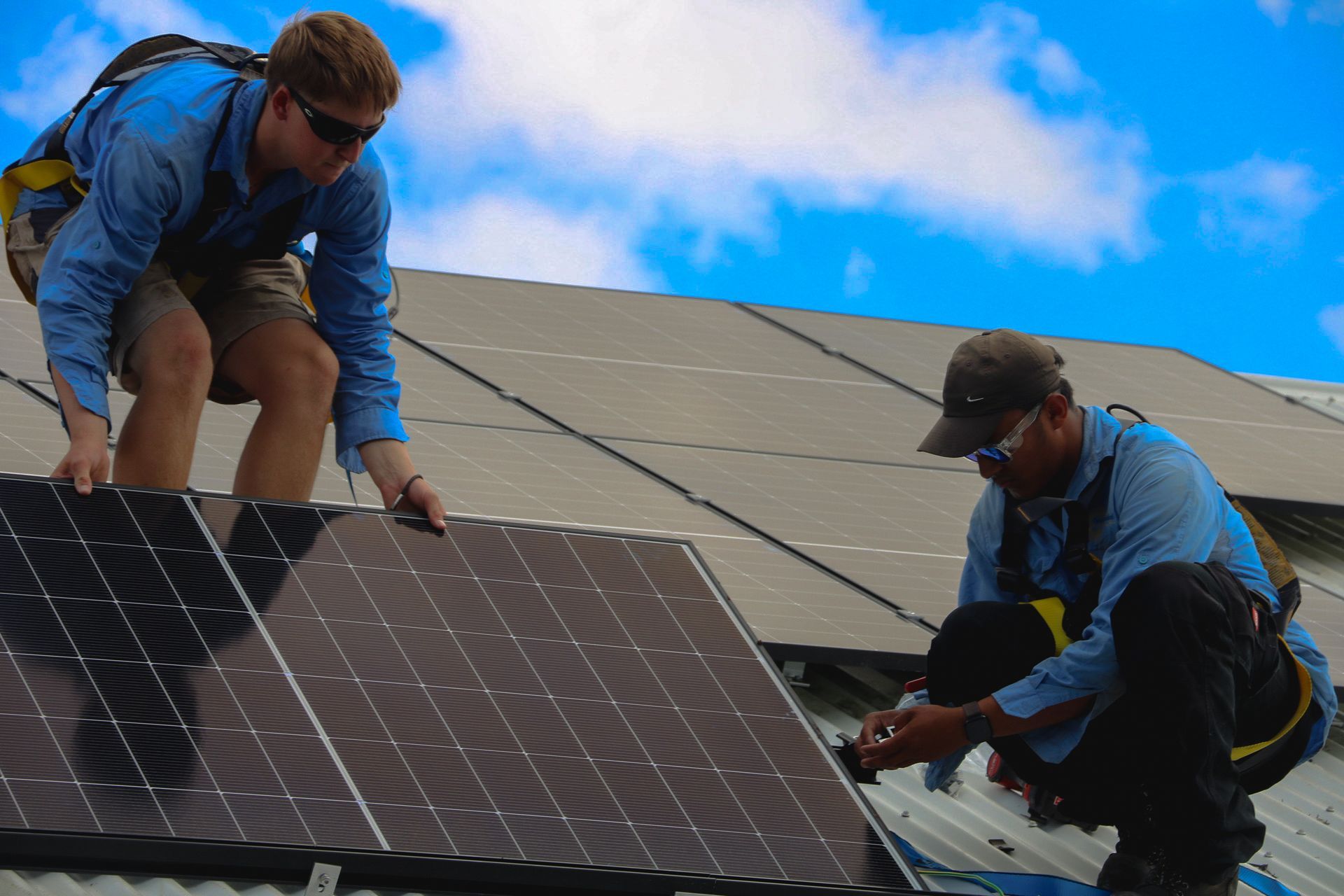
Homeowners are also increasingly installing solar systems, batteries, and EV chargers together to create a more integrated home energy system. This allows you to generate electricity, store it, and use it to power both your home and your vehicle.
Why Install an EV Charger Now
The adoption of electric vehicles is accelerating rapidly across Australia. , demand for home charging installations is growing as well.
Installing a charger now ensures your home is ready for the future. It also allows you to start benefiting immediately from the convenience of home charging while avoiding potential installation delays as demand continues to increase.
For many homeowners in Queensland, a standard AC home charger installation typically falls within the range of approximately $1500-$3000 depending on the equipment and installation requirements.
For most EV owners, it is a practical upgrade that significantly improves the charging experience.
The Benefits of Solar, Battery, and EV Charging Together
One of the biggest advantages of installing a home EV charger is the ability to integrate it with a solar and battery system.
When your home generates solar energy during the day, that energy can be stored in a battery and used later to charge your vehicle. This setup allows homeowners to charge their EV using their own energy rather than relying entirely on the grid.
It also gives you greater flexibility. Charging can be scheduled during lower cost electricity periods, helping you stay in control as power prices fluctuate.
For households with a strong solar and battery setup, it is even possible to operate with a high level of energy independence. Instead of relying heavily on external energy sources, you are producing and managing much of your own electricity at home.
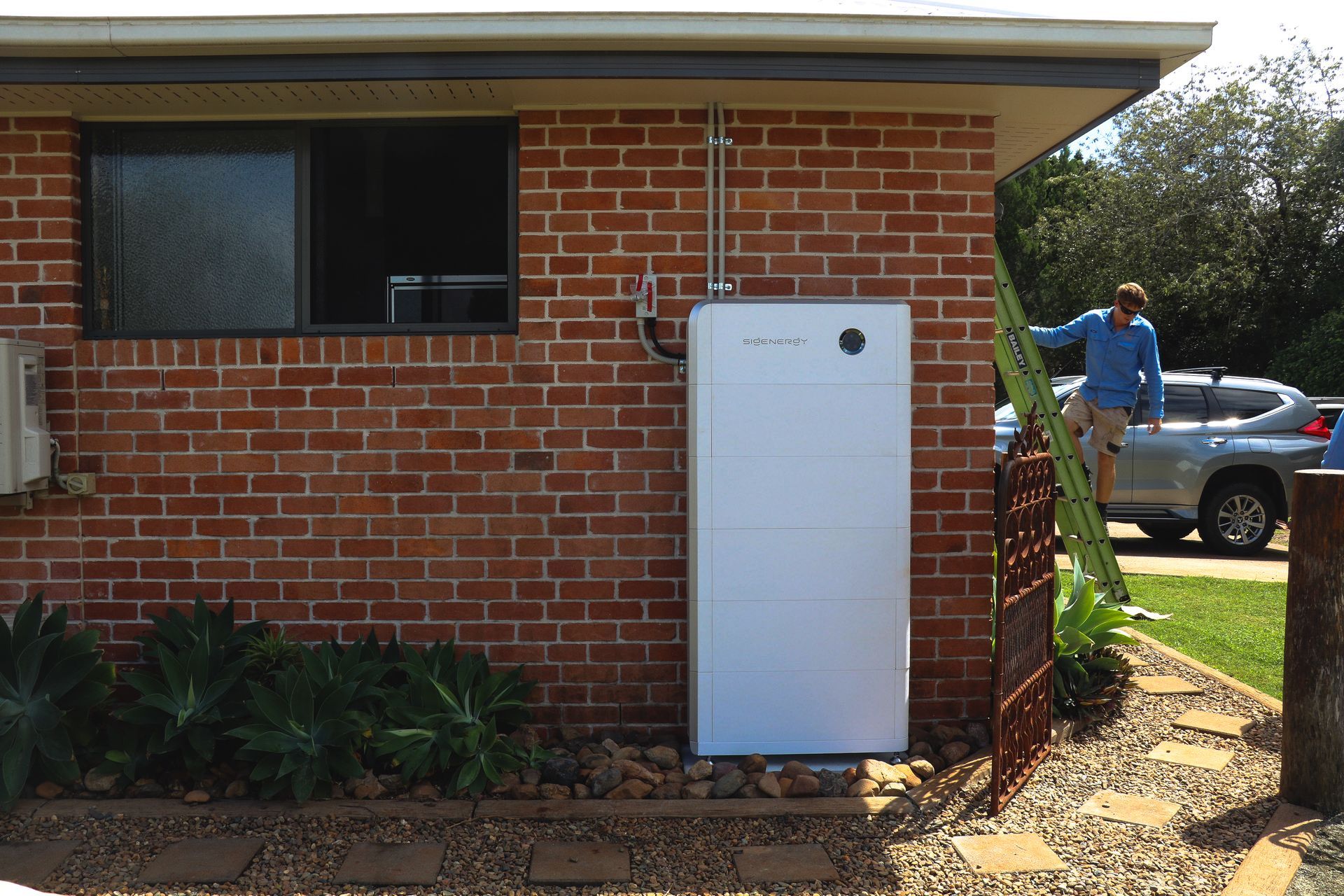
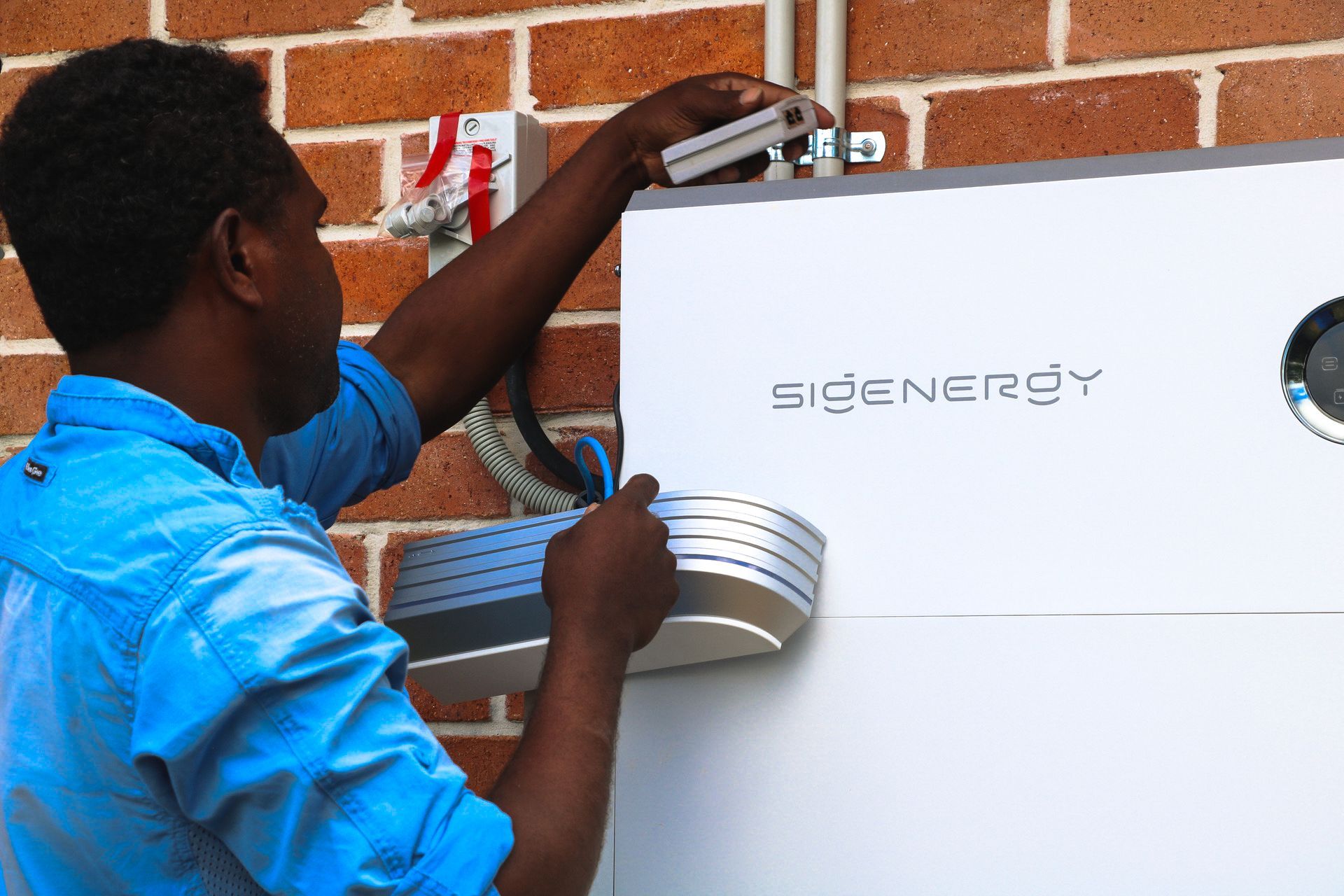
Many modern systems from brands such as Sigenergy and GoodWe allow solar generation, battery storage and EV charging to work together as part of a single integrated energy system.
Understanding DC Charging
For homeowners looking for faster charging performance, new technologies are emerging that allow for more advanced EV charging systems.
Most home chargers operate using alternating current. The electricity passes through an inverter before being used by the vehicle. Some newer systems use direct current charging architecture that can deliver energy more directly to the vehicle battery.
In advanced integrated energy systems, the charging components can be built directly into the battery stack. This allows energy to flow more efficiently through the system and can significantly increase charging performance compared with traditional AC home charging.
Typical EV Charging Setups for Homes
Every home and vehicle is different, but there are some common setups that homeowners choose when installing EV chargers.
Most households opt for a AC charger, which provides reliable overnight charging and suits everyday driving needs and with homeowners also choosing to pair their EV charger with a solar and battery system to maximise energy efficiency and reduce reliance on the grid.
Advanced energy platforms such as those offered by Sigenergy and GoodWe are becoming increasingly popular because they allow homeowners to combine solar generation, battery storage, and EV charging into a single streamlined solution.
Depending on the layout of the property, EV chargers can be installed in garages, carports, or outdoor parking areas.
The Future of EV Charging at Home
Electric vehicles are no longer a niche technology. They are quickly becoming a normal part of everyday transport, and homes are beginning to adapt to support this shift.
Installing a home EV charger is not just about convenience. It is about creating a smarter energy system that gives homeowners greater independence, flexibility, and control over how they power both their home and their vehicle.
Next Steps for Homeowners
If you already own an electric vehicle or are planning to purchase one soon, installing a home EV charger is a practical and forward thinking investment.
A professionally installed charger allows you to charge safely, efficiently, and on your own schedule while integrating with solar and battery systems for even greater energy independence.
To learn more about the best EV charging setup for your home, speak with our team and request a quote
here.