Many homeowners understand that solar panels make electricity, but fewer know what happens after it is made.
A modern solar system is made up of several key components that all work together to power your home. These include the solar panels, the inverter, switchboard and in some cases a battery system.
Understanding how these parts connect can help you make better choices. This applies when installing solar or adding a battery to an existing system.
Solar Panels Generate the Electricity
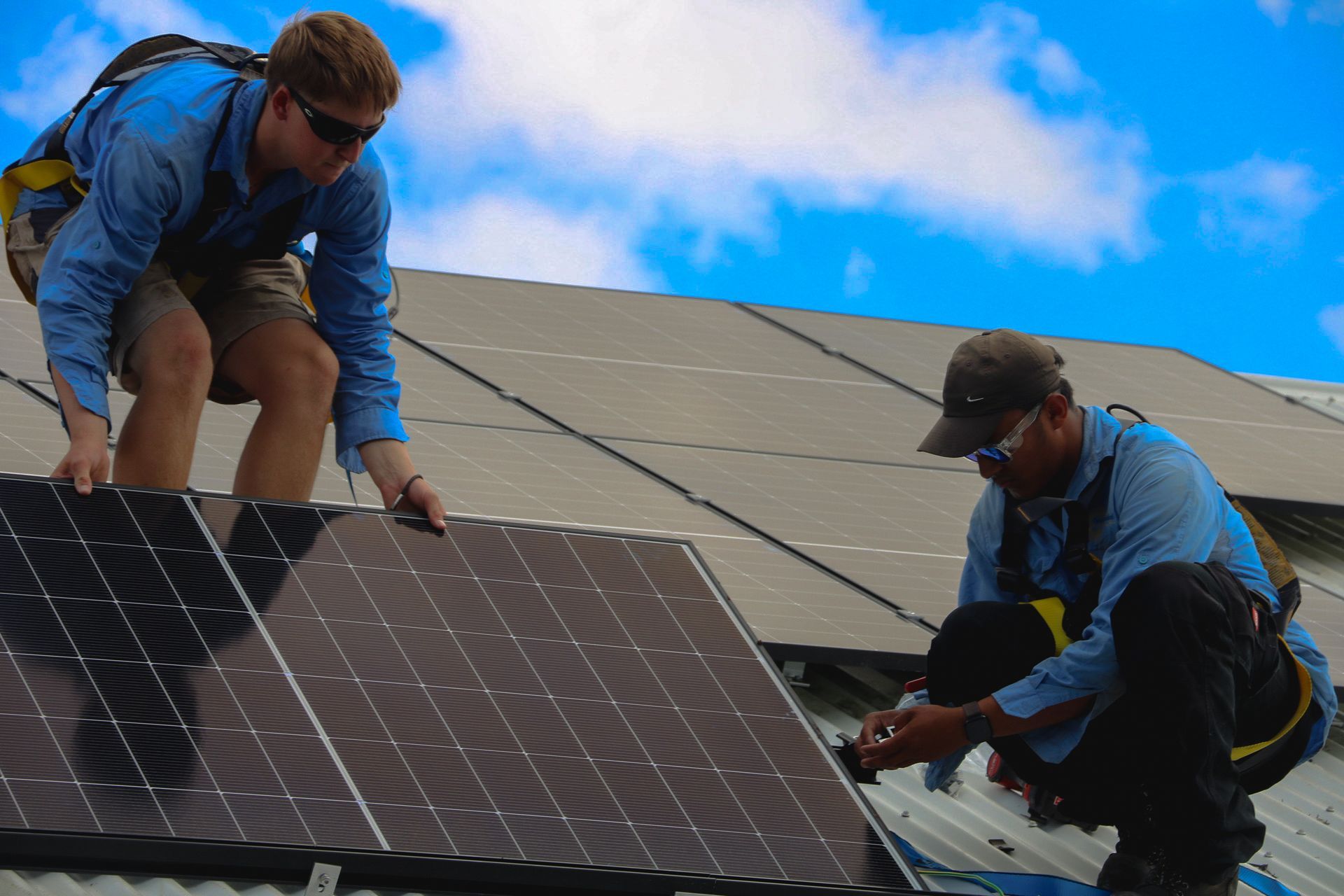
Solar panels are the part of the system most people recognise. They are installed on the roof where they capture sunlight and convert it into electricity.
The electricity produced by solar panels is known as direct current or DC electricity. While this energy is useful it cannot be used directly by most household appliances.
That’s where the inverter comes in.
The Inverter Converts Solar Power into Usable Electricity
The inverter is often described as the brain of the solar system.
Its job is to convert the DC electricity produced by the solar panels into alternating current or AC electricity. AC power is what your home uses to run appliances such as lights, televisions, air conditioners and kitchen equipment.
Once the electricity has been converted by the inverter, it can be used throughout the home or sent to the grid.
Modern inverters also let homeowners track their system’s energy output and the home’s power use.
The Switchboard Connects Everything to Your Home
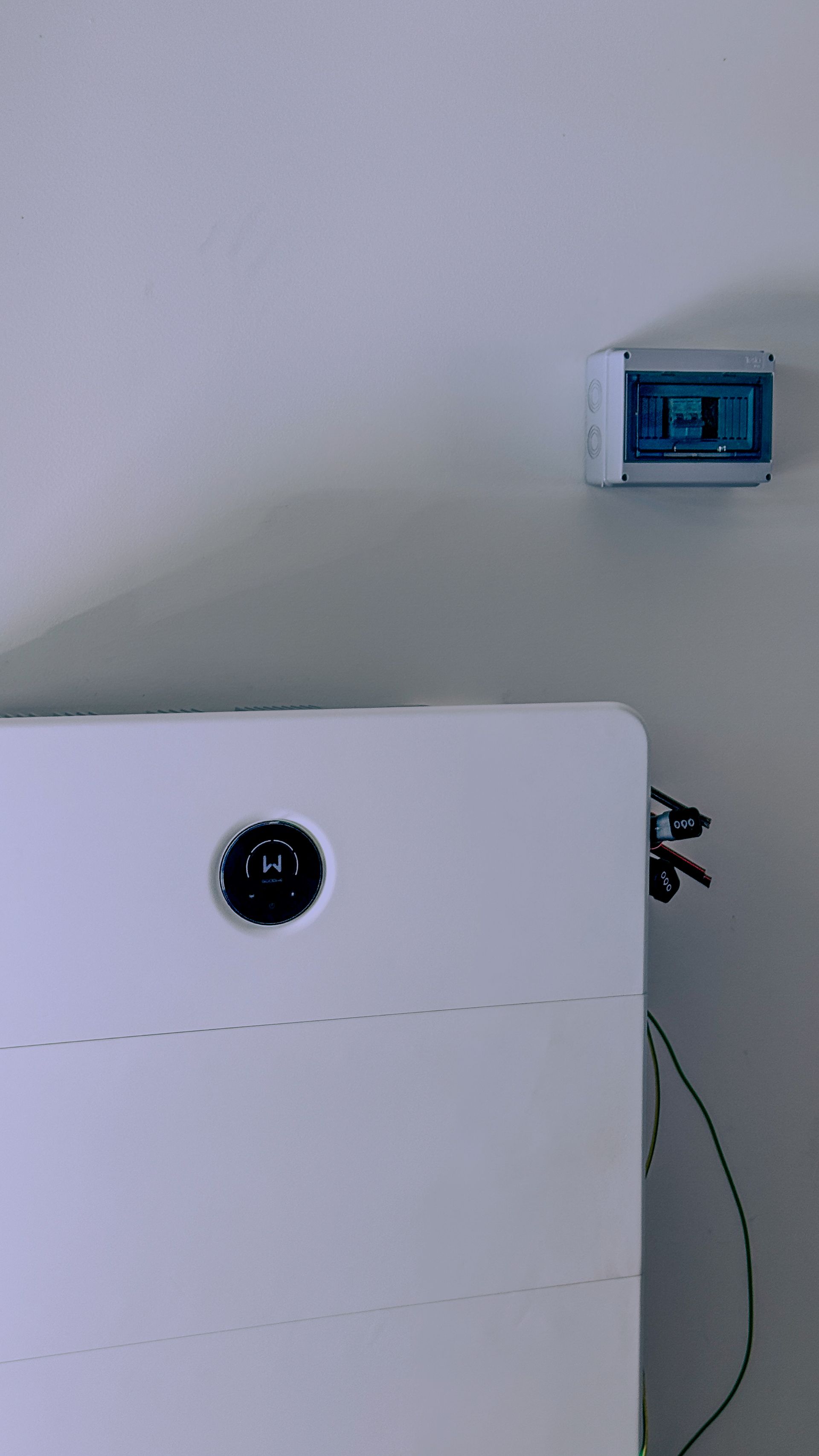
The switchboard is where the solar system connects to your home’s electrical system.
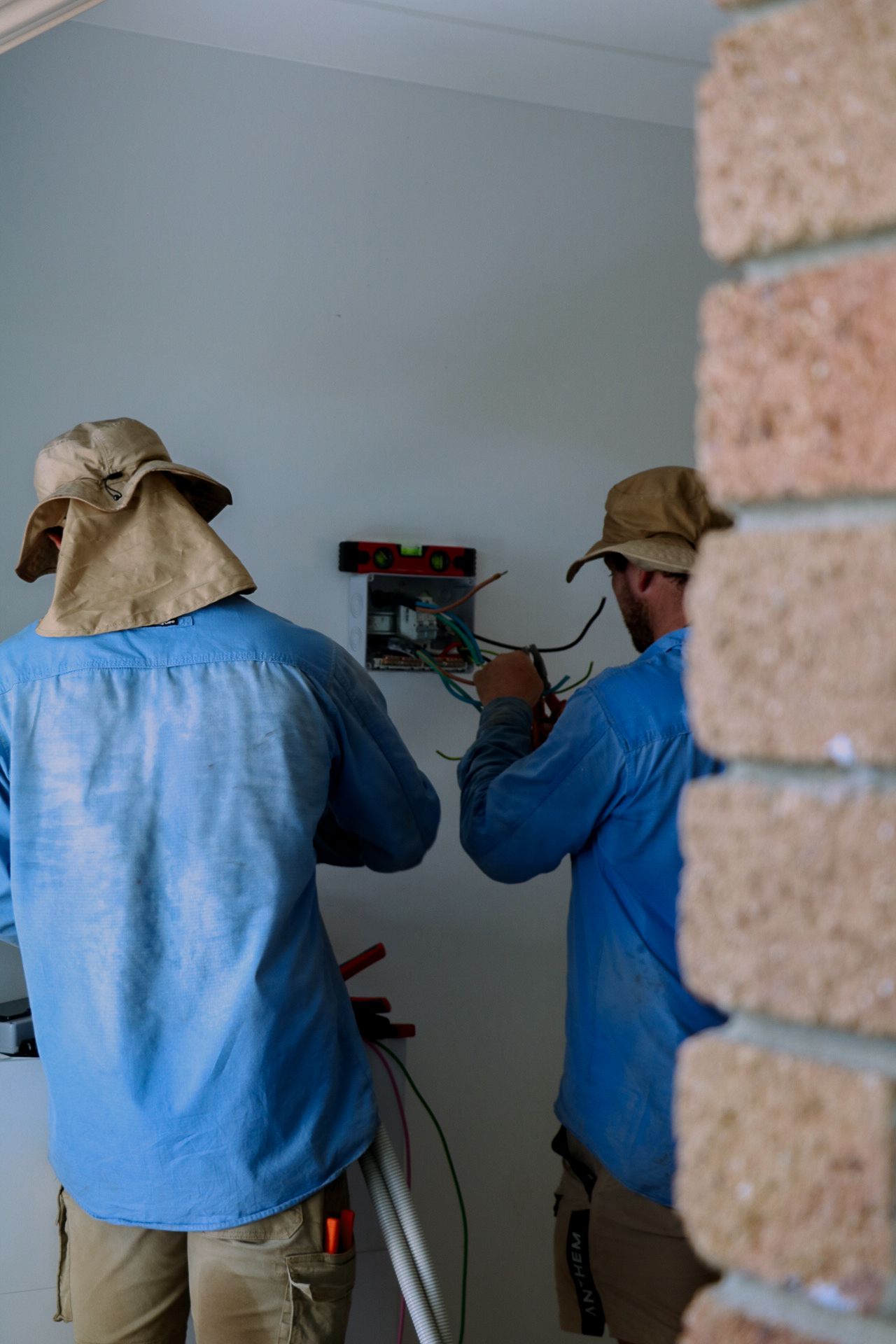
This is where electricity from the inverter is safely sent throughout the home. Protective devices are installed here to keep the system safe.
A well organised switchboard is an important part of a quality solar installation. Clean wiring and correct setup make the system easier to service, maintain, and expand. This helps if you add extra components later such as a battery.
Although most homeowners never see inside their switchboard it still helps keep the system safe and efficient.
What Happens When You Add a Battery
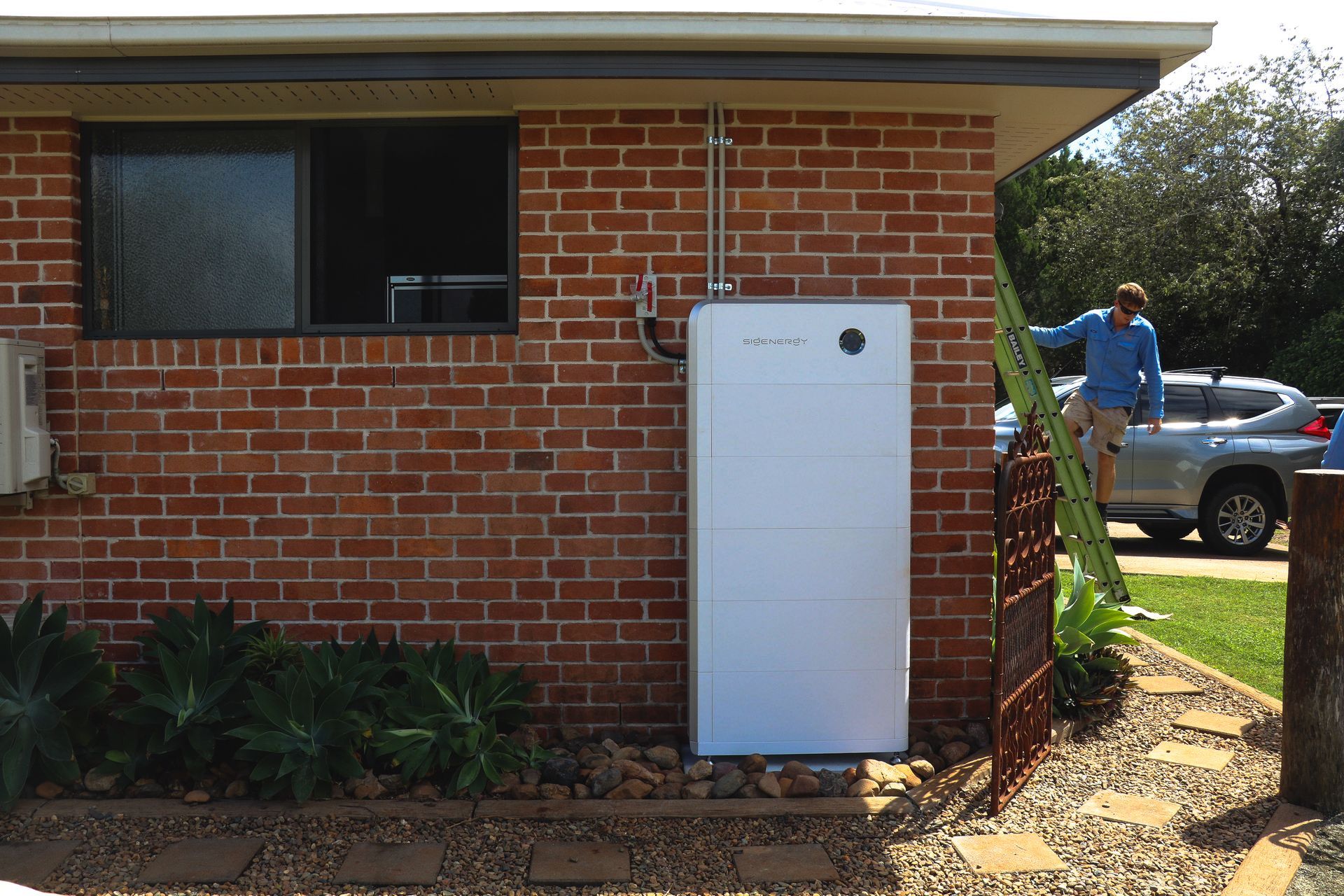
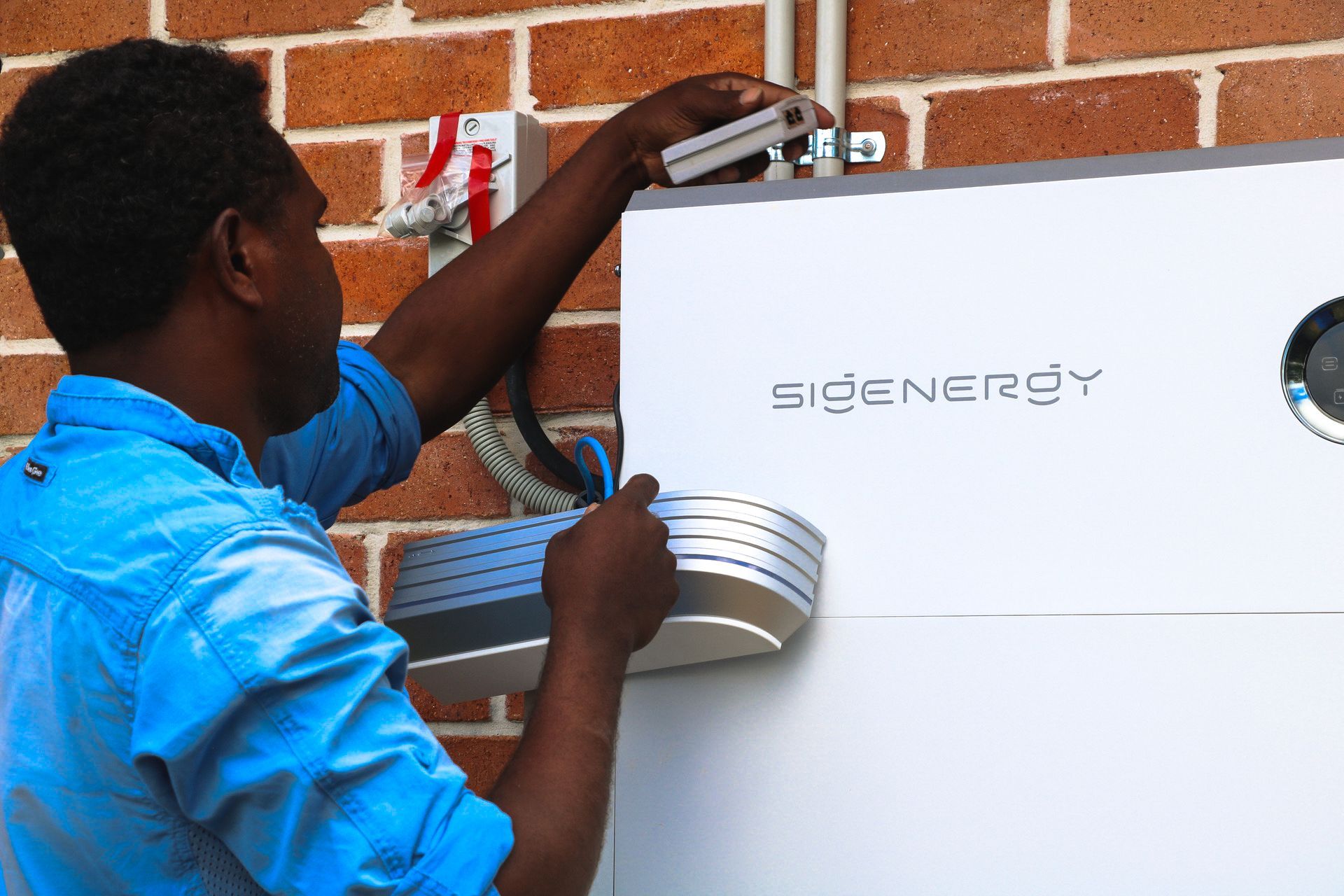
A solar battery allows your home to store excess energy produced during the day.
Without a battery, any unused solar electricity is usually exported to the grid. Electricity retailers pay a small feed-in tariff for this energy.
However, it is often much lower than what you pay to buy electricity later.
A battery stores extra solar energy for later use in the evening, when solar panels stop producing power.
When the sun goes down the home can draw electricity from the battery instead of purchasing power from the grid. This can significantly reduce electricity bills and increase energy independence.
How the System Works Throughout the Day
During the daytime solar panels generate electricity which is converted by the inverter and used to power the home.
If the system makes more energy than the home needs, the extra power can go to the grid.
Or it can be stored in a battery if one is installed.
In the evening, when solar production stops the home uses electricity from the battery. If there is no battery, it draws power from the grid.
This balance between generation, storage and usage is what allows solar systems to reduce electricity bills so effectively.
Why Installation Quality Matters
While solar panels are the most visible part of the system. The system’s overall performance depends on each component being installed and connected properly.
A well designed system ensures that solar panels, inverters, batteries and the switchboard all work together efficiently and safely. Attention to detail during installation also makes the system easier to maintain and upgrade in the future.
Choosing experienced installers helps ensure that the entire system is configured correctly and built to last.
Thinking About Solar or Adding a Battery?
Whether you are installing solar for the first time, it helps to know how the parts work together. This helps you get the most from your energy system.
Start by checking what you want the system to achieve.
Some households want to cut daytime power bills. Others want backup power during outages. Some also want higher self-consumption at night. Your goals will influence the size of the solar, the type of inverter, and whether a battery is worth the investment.
If you are adding a battery to an existing solar system the first step is to confirm compatibility. Not every inverter can work with every battery, and some older inverters cannot support batteries at all. In many cases, you can choose an AC-coupled battery. You add it alongside your current inverter.Or, you can choose a hybrid setup. In that case, you may need to upgrade your inverter. Our team can assess your current equipment, wiring, and switchboard capacity and recommend the most practical path.
It is also important to look at your energy use patterns. Review your bills or check monitoring data. This can show when you use the most electricity. It can also show how much solar energy you export to the grid. This helps you avoid spending too much on a system that is larger than you need. It also helps you avoid choosing a battery that is too small.
Finally, With good design and professional installation, your solar and battery system can deliver reliable savings.
It can also give you peace of mind for many years.
If you would like to learn more about solar and battery options for your home, our team can help. Click
here to contact us for a free consult with our specialists.
We can provide a free consultation to help you find the right solution for your energy needs. During the consultation, we’ll check your roof space, shading, and average electricity use.
Then we’ll recommend a system size that makes sense. We can also discuss if a battery is worth it for your household. We will base this on when you use power, your tariff, and your goals. Your goals may include lower bills, more self-consumption or backup power.
If you already have solar, adding a battery may be a straightforward upgrade but it still requires checks. Your current inverter may not work with a battery. Your switchboard may need an upgrade. Review your system settings to keep everything safe and efficient.
A well-designed solar and battery system can deliver reliable performance for years. With the right equipment and careful installation, you’ll save more, run more smoothly and be ready for future upgrades. When you’re ready contact us to book your free assessment and receive a clear, no-obligation quote.