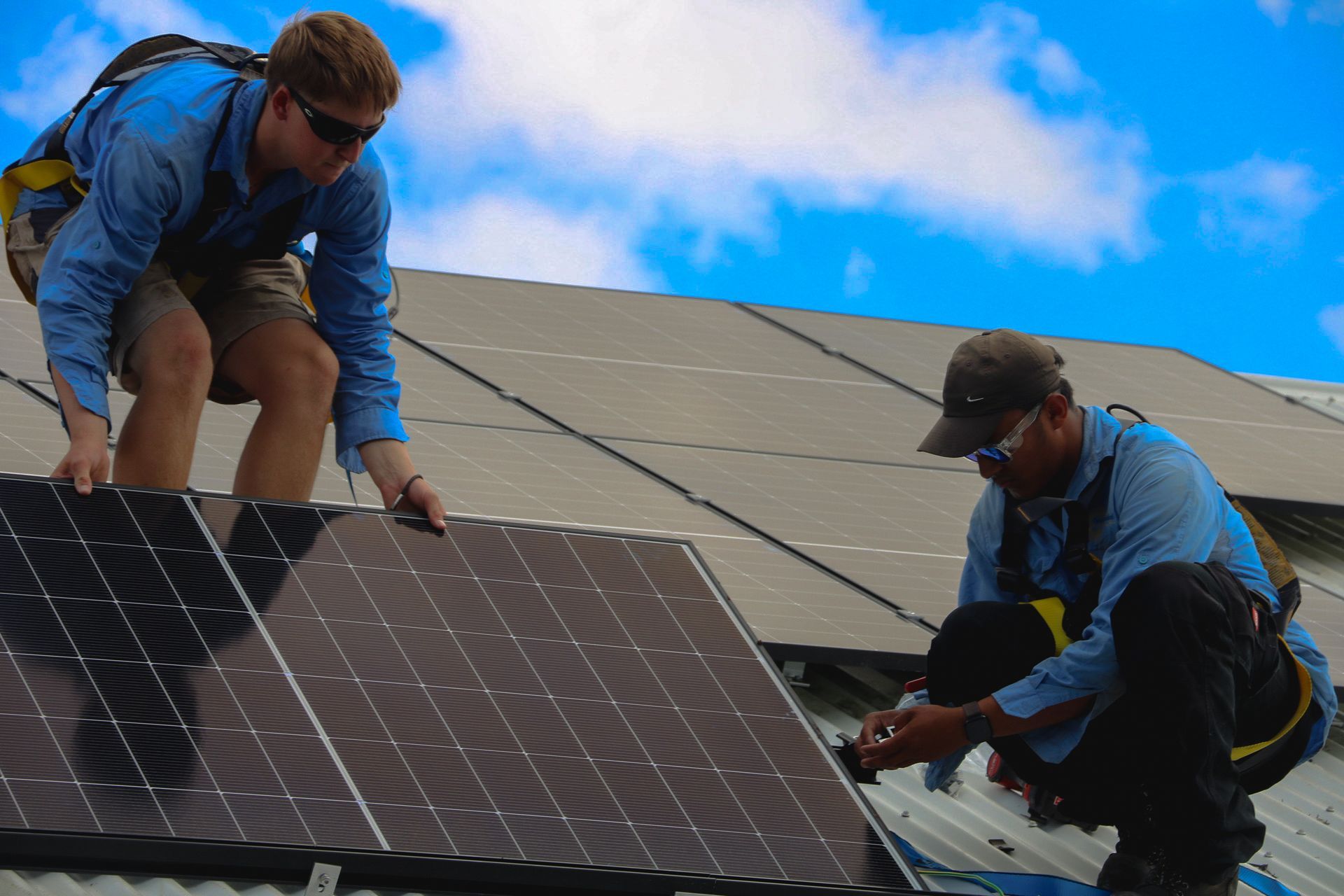
Customers often ask us at Open Electrical how solar saves money.
People also ask us whether adding a battery is worth it. The answer comes down to how you use the energy your system produces, and how much of it you rely on from the grid.
Here’s a simple breakdown of how solar lowers your bills. It also explains how batteries change the equation. This shows what the payback period usually looks like.
How solar reduces your electricity bills
The financial benefit of solar depends on what happens with the electricity your system generates.
Once your rooftop system is producing power, that energy will either be:
- Used immediately in your home or business
- Sent back into the grid
- Limited or “curtailed” if export restrictions apply
- Stored in a battery (if you have one installed)
You always get the biggest savings when you use your solar power directly as it produces it.
1. Using your solar power (self-consumption)
When your solar system powers your appliances, you need less electricity from your energy provider.
Every unit of solar energy you use on-site is one less unit purchased from the grid. The savings depend on your electricity rate, which can vary based on your plan and the time of day.
In simple terms: the more solar you use in real time, the more you save.
2. Exporting excess solar energy
When your system produces more electricity than you’re using, the excess is sent back to the grid. In most cases, you’ll receive a credit for this through a feed-in tariff.
However, feed-in tariffs are usually much lower than what you pay to buy electricity from the grid. This means exporting energy is helpful, but not as valuable as using it directly in your home or business.
If your system has limits set by your network provider, any excess generation above that limit may not be exported and can go to waste.
3. Reducing peak demand charges
Some electricity plans (especially commercial ones) include demand charges, which are based on your highest spike in electricity usage.
If your solar system is generating at the same time you hit peak usage, it can reduce how much power you draw from the grid, lowering these demand-based charges.
How batteries reduce electricity bills
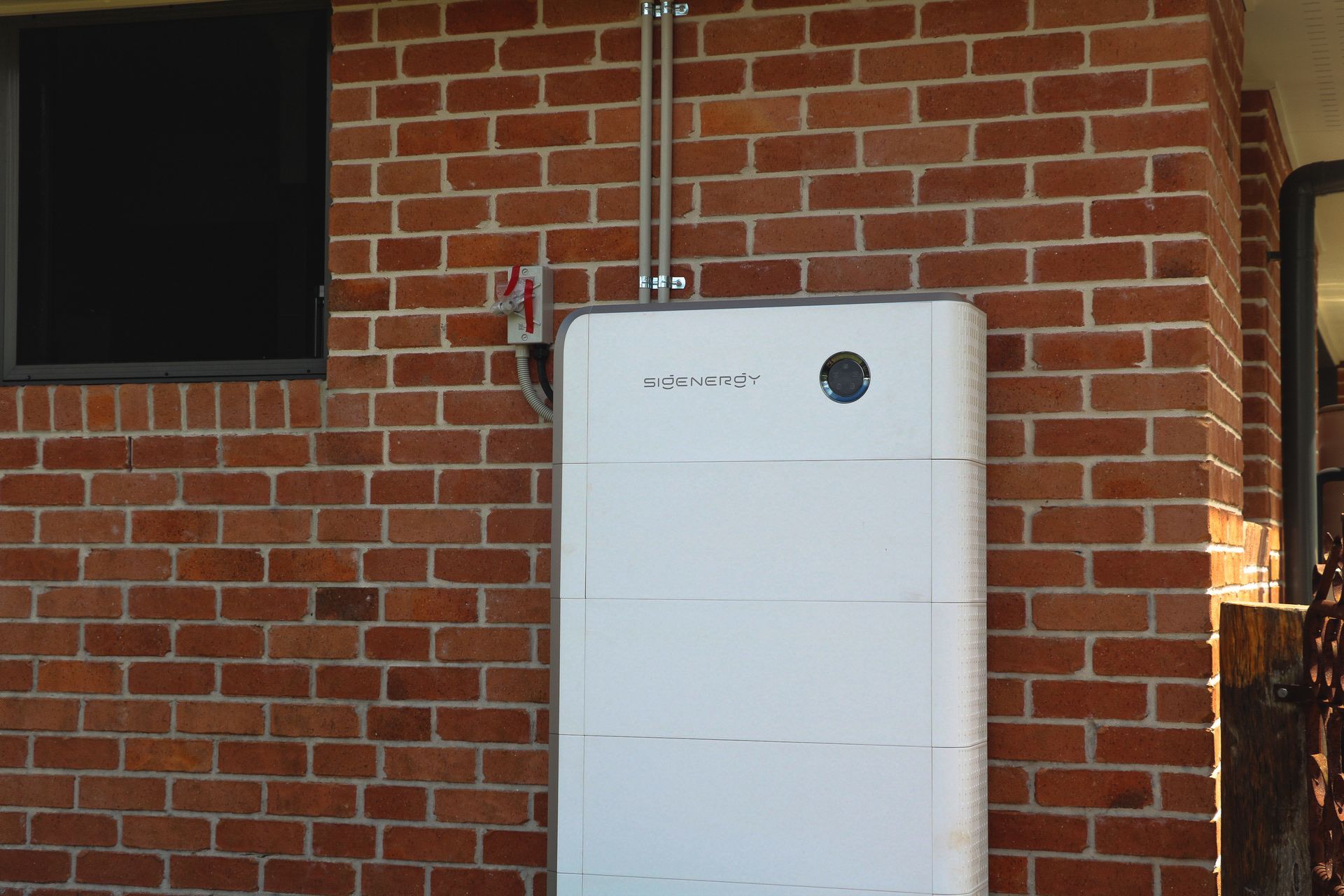
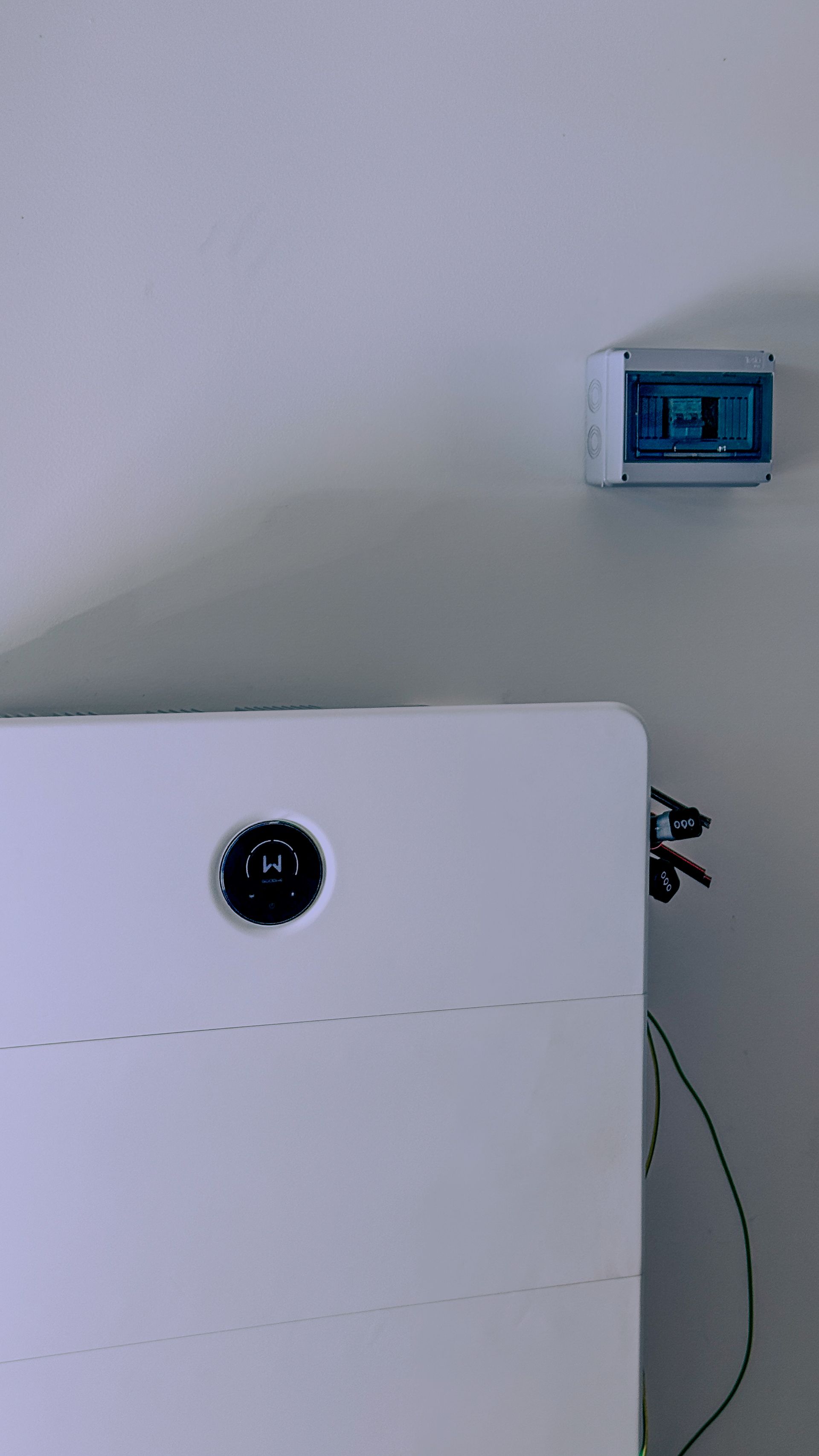
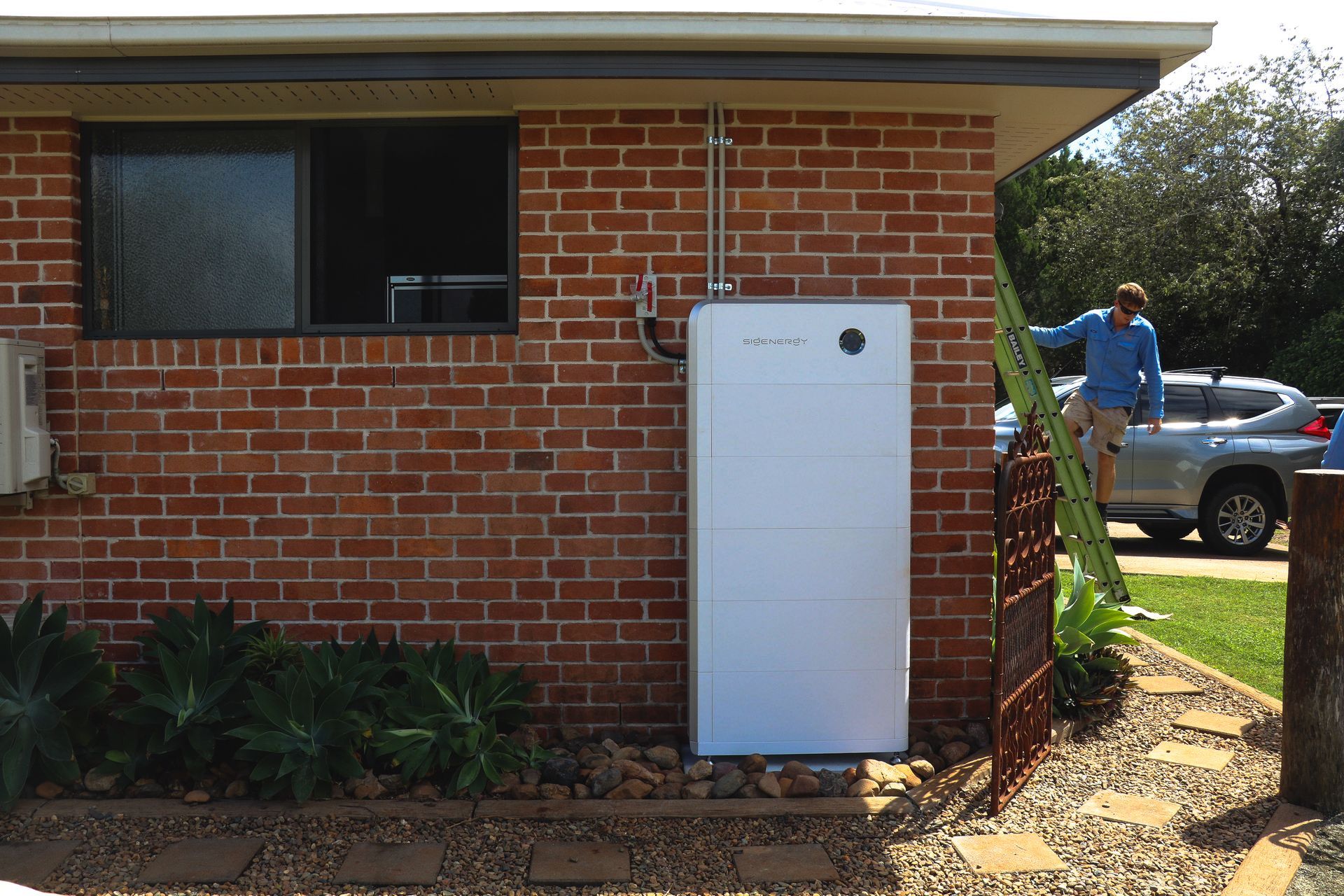
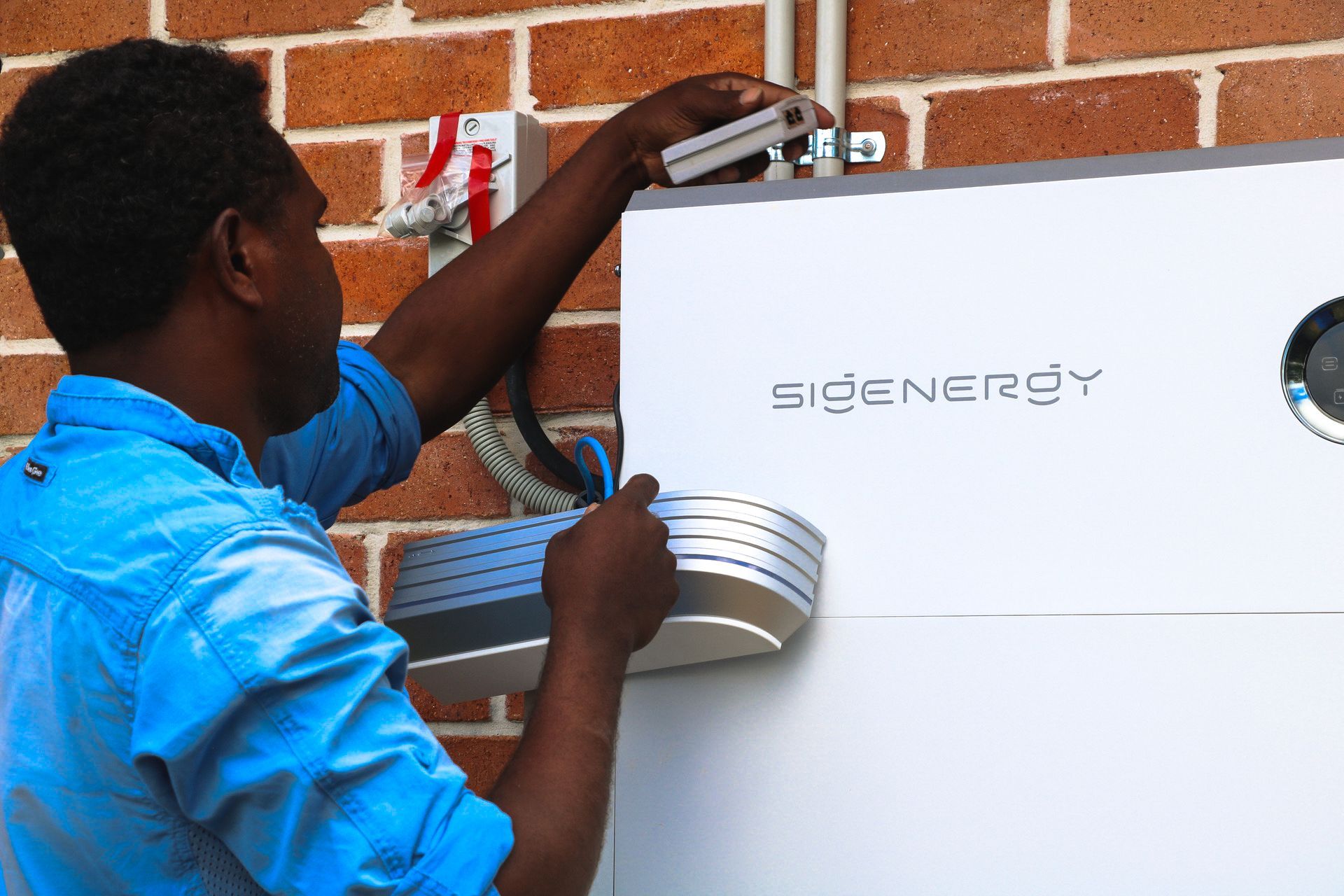
Adding a battery changes how and when you use your solar energy. Instead of exporting excess power or relying on the grid at night, you can store energy and use it later.
A battery can help you:
- Increase solar self-consumption
- Reduce peak-time electricity costs
- Manage time-of-use electricity pricing
- Lower demand charges
- Reduce wasted solar energy (curtailment)
- Participate in virtual power programs (if available)
1. Using more of your own solar power
A battery stores excess solar energy during the day so it can be used at night or during peak evening hours.
This reduces your reliance on the grid and increases the overall value you get from your system,
especially if your electricity rates are higher in the evening.
While this can reduce feed-in credits slightly, those credits are usually much lower than the cost of buying electricity later.
2. Time-of-use electricity savings
If your electricity plan charges different rates depending on the time of day, a battery can help you avoid expensive peak rates.
For example, the battery can store cheap or solar-generated energy and discharge it when electricity prices are highest, reducing your overall bill.
In some cases, batteries can also charge from the grid during cheaper off-peak times and discharge during peak periods.
3. Lowering demand charges
For businesses (and some households), batteries can reduce demand charges by supplying power during peak usage moments instead of drawing from the grid.
This helps smooth out energy usage and avoids high-cost spikes on your bill.
4. Reducing wasted solar energy
In some cases, excess solar can’t be exported due to network limits or voltage management. This energy is effectively lost.
A battery allows that excess to be stored and used later instead of being wasted, improving overall system efficiency.
That said, for most systems, the amount of energy lost this way is relatively small.
Payback period: how long does solar take to pay for itself?
The payback period is the time it takes for your electricity savings to cover the upfront cost of your system.
For solar alone, this is often significantly shorter than the system’s lifespan. However, the exact timeframe depends on:
- Your energy usage habits
- System size and design
- Electricity prices and tariff structure
- Weather and solar production levels
- Maintenance and system performance over time
Regardless of pay back time, many homeowners and businesses still choose batteries for energy independence, backup power, and protection against rising electricity prices.
Final thoughts
Solar is most effective when you maximise how much of your own energy you use. Batteries take this further by shifting your energy use into the evening and reducing reliance on the grid altogether.
At Open Electrical, we design systems based on how you actually use power, not just what looks good on paper.So you get the best long-term outcome from your investment.