Choosing the right solar battery storage for your home in Australia can be a game changer. It allows you to store excess solar energy and use it during the evening, peak tariff periods, or during power outages when your system is configured for backup.
Australia’s high solar exposure makes it one of the best environments for residential solar energy systems. As electricity prices continue to fluctuate, more homeowners are considering battery storage to improve self consumption and gain better control over their energy usage.
Understanding the different system options is important. Battery systems vary in chemistry, design and functionality. The right solution depends on household energy usage, system size and overall energy goals.
Key factors such as usable capacity, system efficiency, lifespan, warranty structure and safety certifications all play a role in selecting the right system. In most modern residential installations.
Government incentives and rebates also support the uptake of battery storage in Queensland helping to improve overall affordability depending on eligibility, timing and energy usage patterns.
Ultimately, selecting a battery system should be based on a clear understanding of your energy needs and professional system design.
Understanding Solar Battery Storage: The Basics
Solar battery systems store excess electricity generated by your solar panels for later use. This allows homeowners to increase self consumption and reduce reliance on grid electricity.
At a technical level, the battery stores energy in chemical form and converts it back into electricity when required. Performance is influenced by system design, battery management systems, and inverter integration.
Key technical terms include:
Capacity (kWh): Total amount of energy stored
Usable capacity: Portion of energy available for use
Depth of Discharge (DoD): How much of the battery can be used safely
Round trip efficiency: How efficiently energy is stored and returned
Power (kW): How much energy can be delivered at once
Battery systems can be added to existing solar installations or designed as part of a fully integrated system.
Modern systems also include energy management features that allow monitoring, scheduling, and optimisation based on household usage patterns and electricity tariffs.
Why Solar Battery Storage is Growing in Australia
Australia’s strong solar conditions make battery storage increasingly attractive for homeowners looking to maximise the value of their solar systems.
By storing excess solar energy, households can use more of their own generated power instead of exporting it back to the grid. This becomes especially valuable during peak electricity pricing periods.
Battery systems can also provide backup power for essential household circuits when designed for outage support, depending on system configuration.
For many households, battery storage is also part of a broader shift toward energy independence and sustainability.
Types of Solar Battery Systems
Most modern residential battery systems in Australia use lithium based chemistry due to its efficiency and long term performance.
Lithium Iron Phosphate Batteries
Lithium iron phosphate batteries are widely used in residential systems due to their thermal stability, long lifespan, and strong safety characteristics. They are commonly used in modular energy storage systems designed for home applications.
Integrated Battery Systems
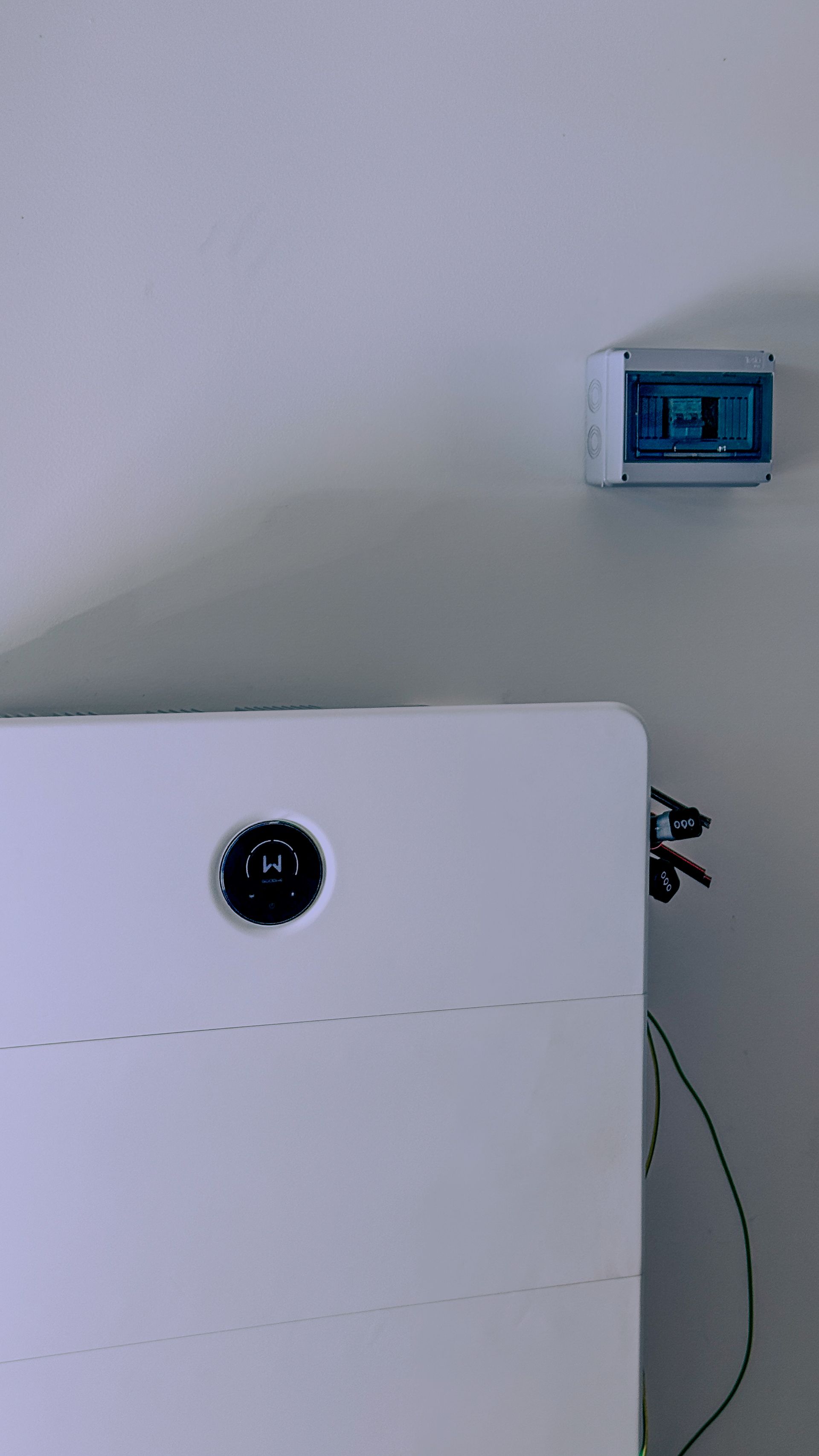
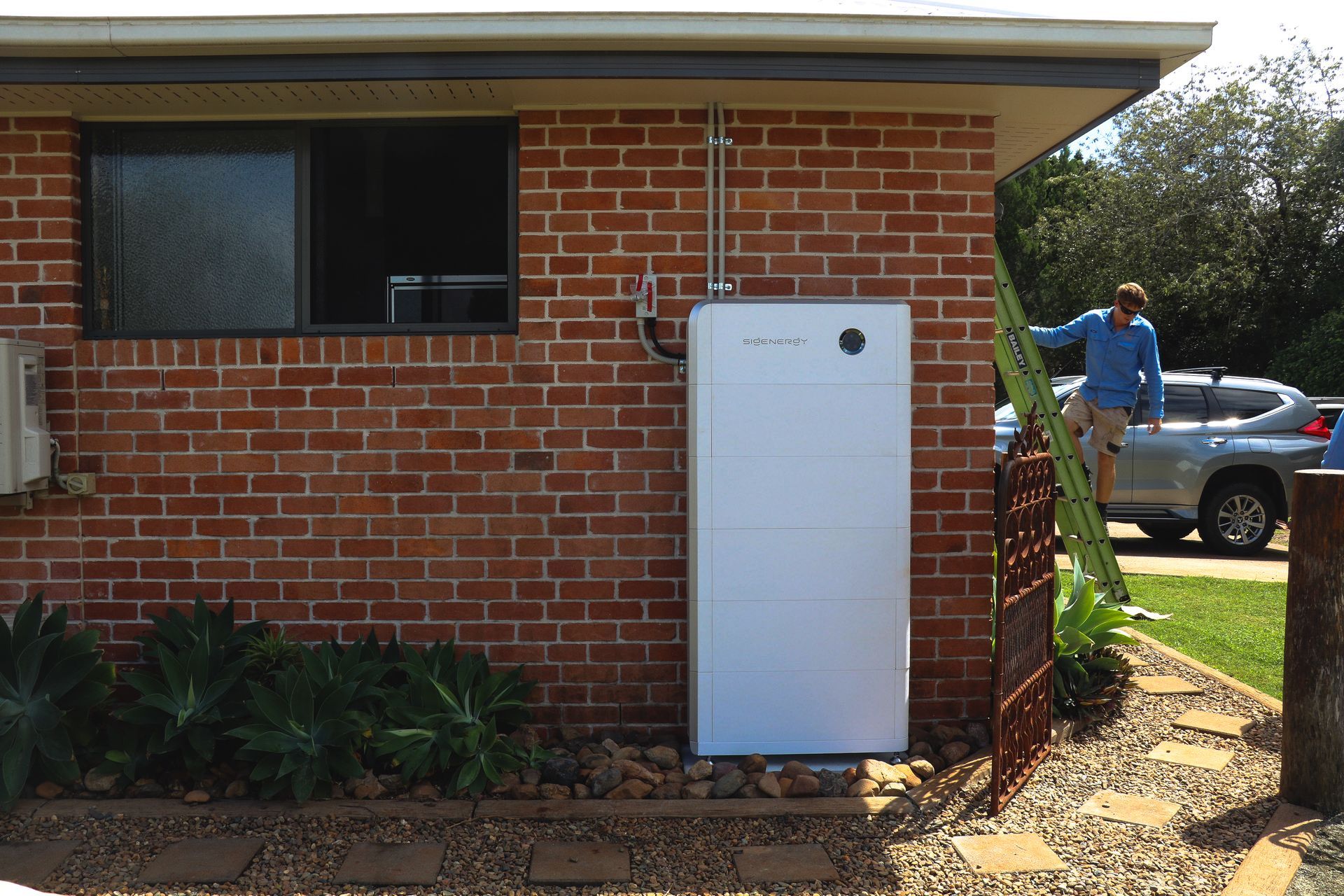
Many modern solutions combine the battery, inverter, and energy management system into a single integrated platform. This allows for better system coordination, simplified installation, and improved monitoring.
Rather than focusing on many different battery types, most homeowners achieve better outcomes by selecting a well designed integrated system that matches their household needs.
Key Factors to Consider When Choosing a Battery System
When selecting a solar battery system, several important factors should be considered.
Usable capacity and total storage size
Power output and ability to run household loads
Efficiency and energy losses during cycling
Warranty structure and expected lifespan
Safety compliance and system certifications
Monitoring and control features
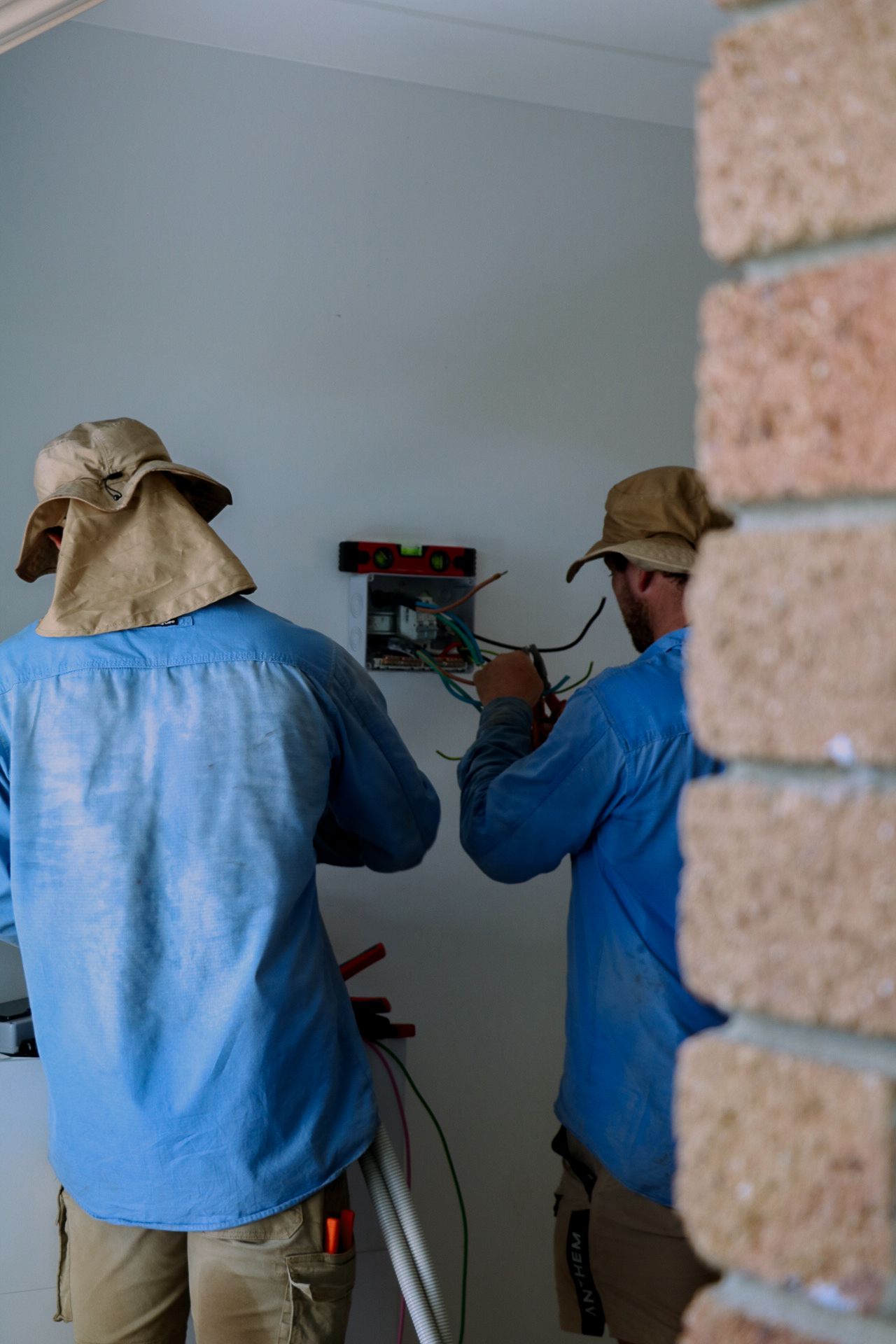
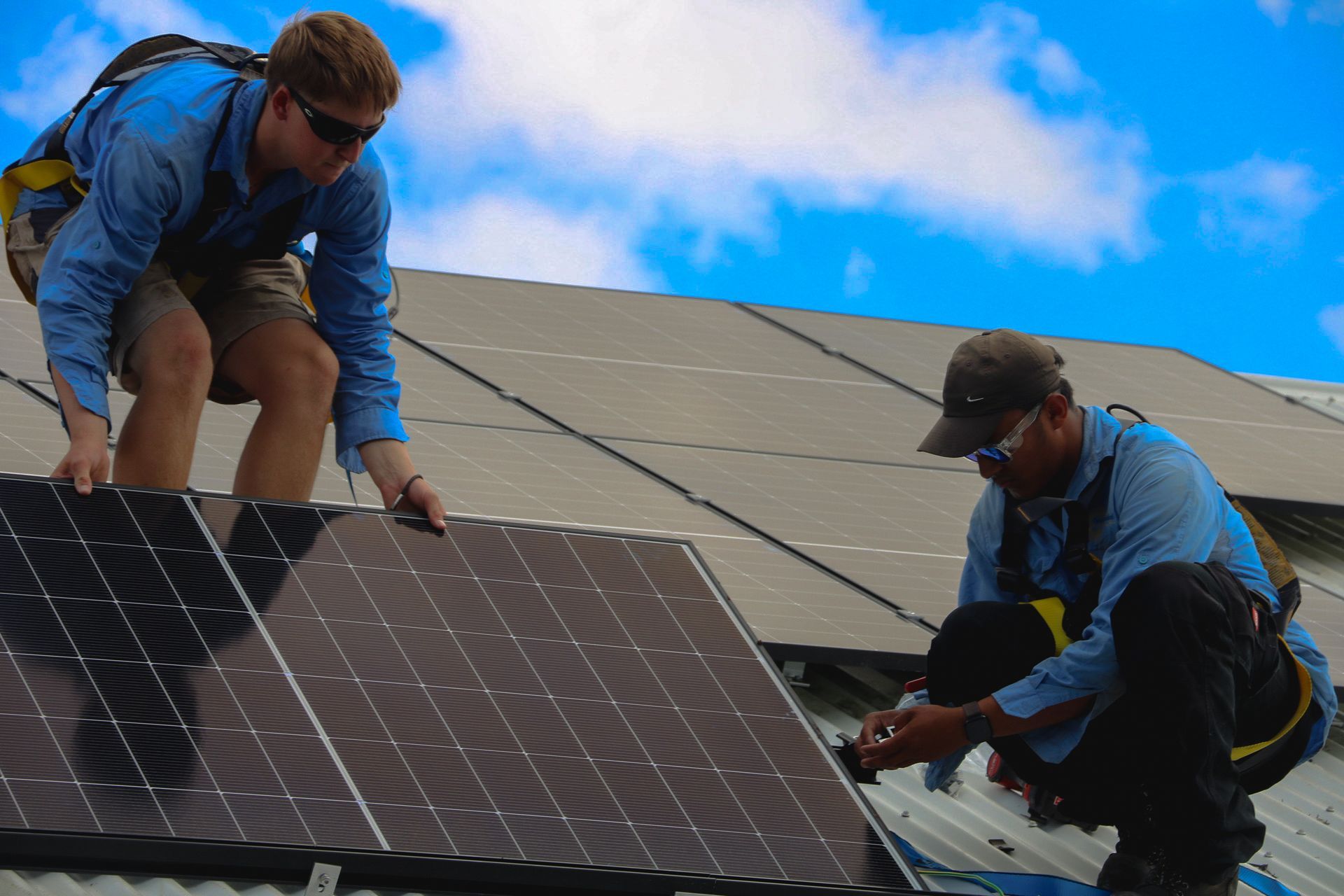
Installation quality and system design
Each of these factors impacts how effectively the system performs over its lifetime.
Sizing Your Solar Battery System
Battery sizing should be based on actual household energy usage rather than assumptions. Reviewing usage patterns helps determine whether the system is intended for evening usage, full overnight coverage, or backup power.
Future energy needs should also be considered, such as electric vehicle charging or additional appliances.
Correct sizing ensures the system is both cost effective and aligned with real world consumption patterns.
GoodWe and Sigenergy Systems
GoodWe and Sigenergy are commonly used in residential solar and battery storage systems in Australia and come highly recommended by Open Electrical.
GoodWe offers hybrid inverter and battery compatible systems designed for residential energy management, supporting self consumption and backup configurations depending on system design.
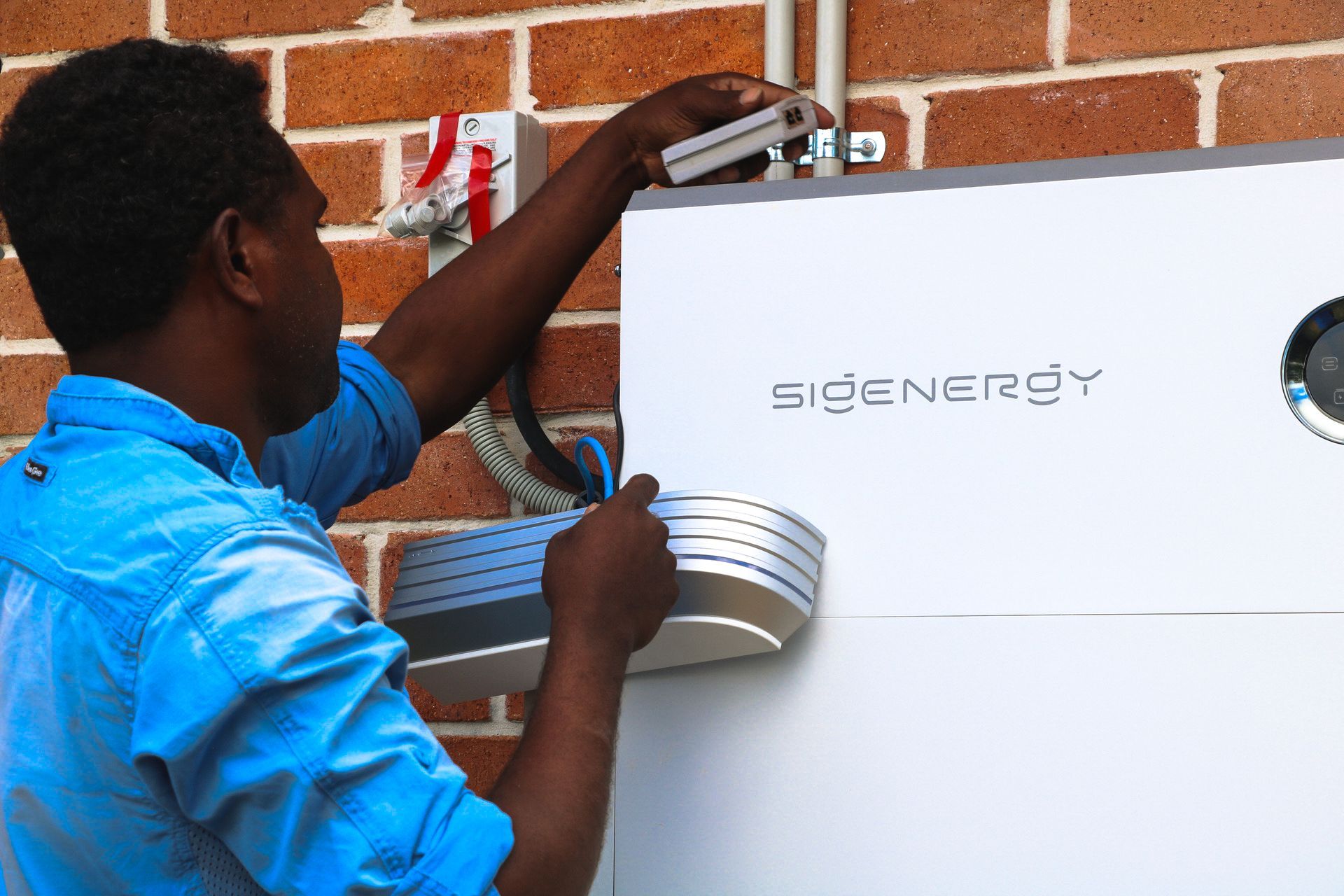
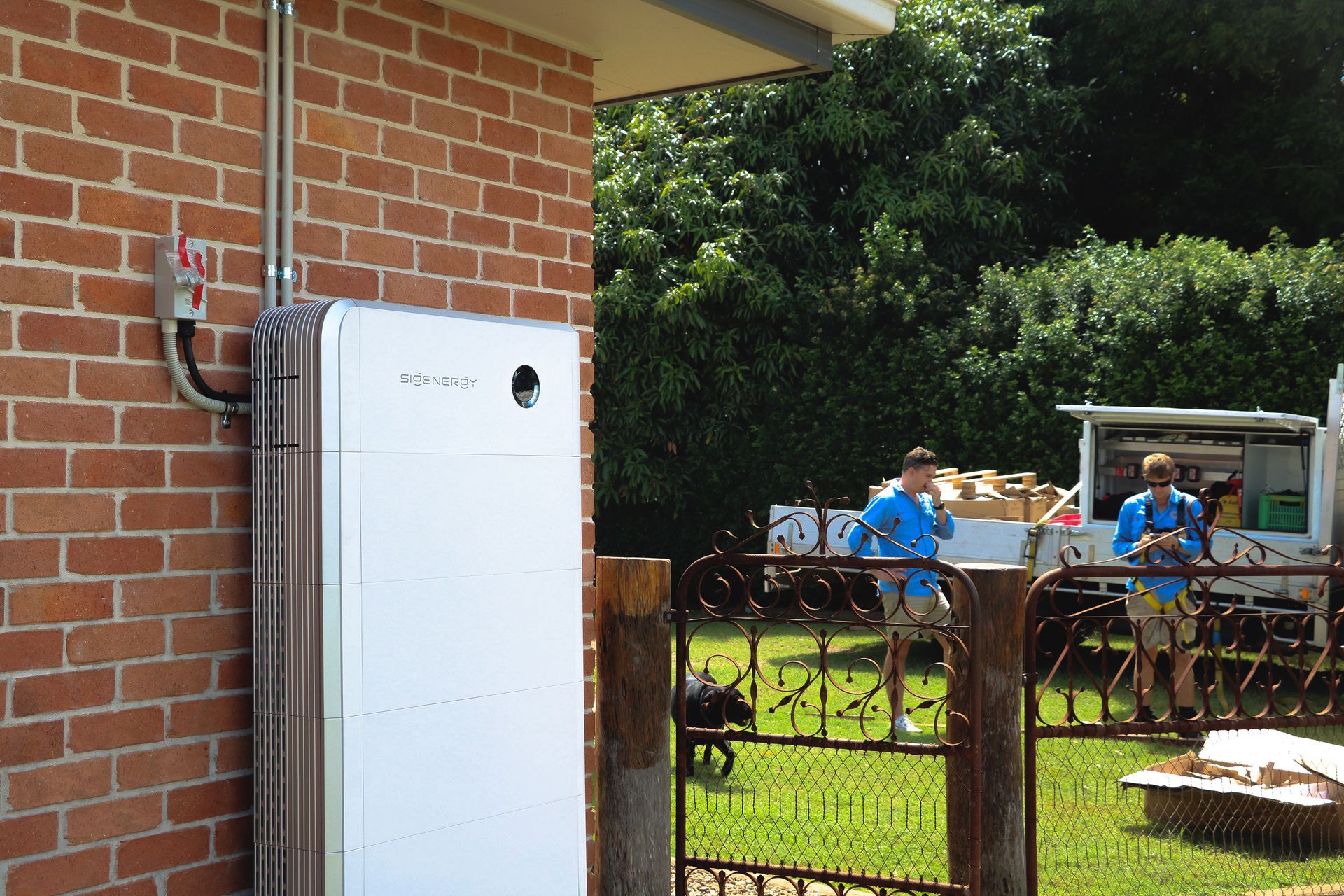
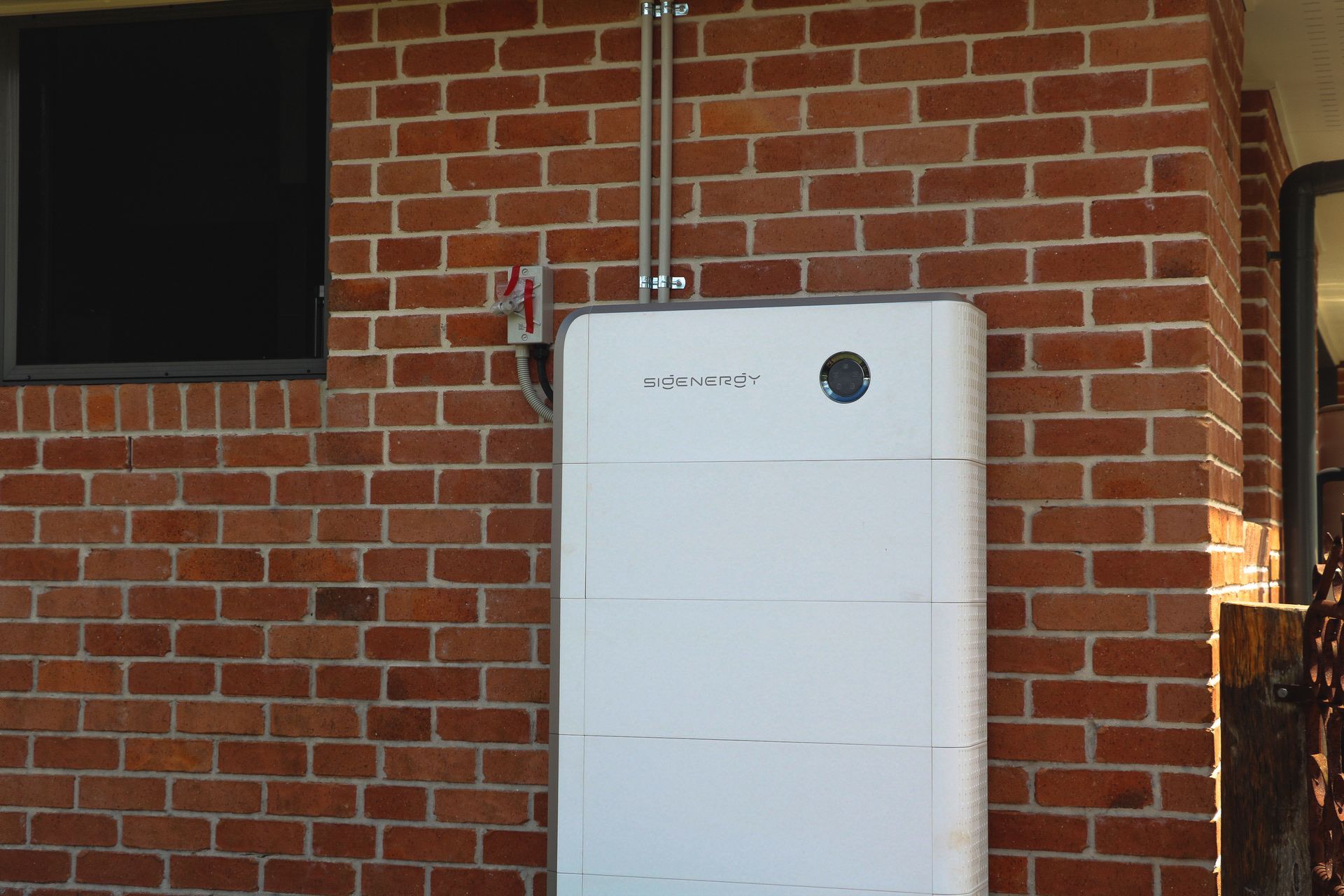
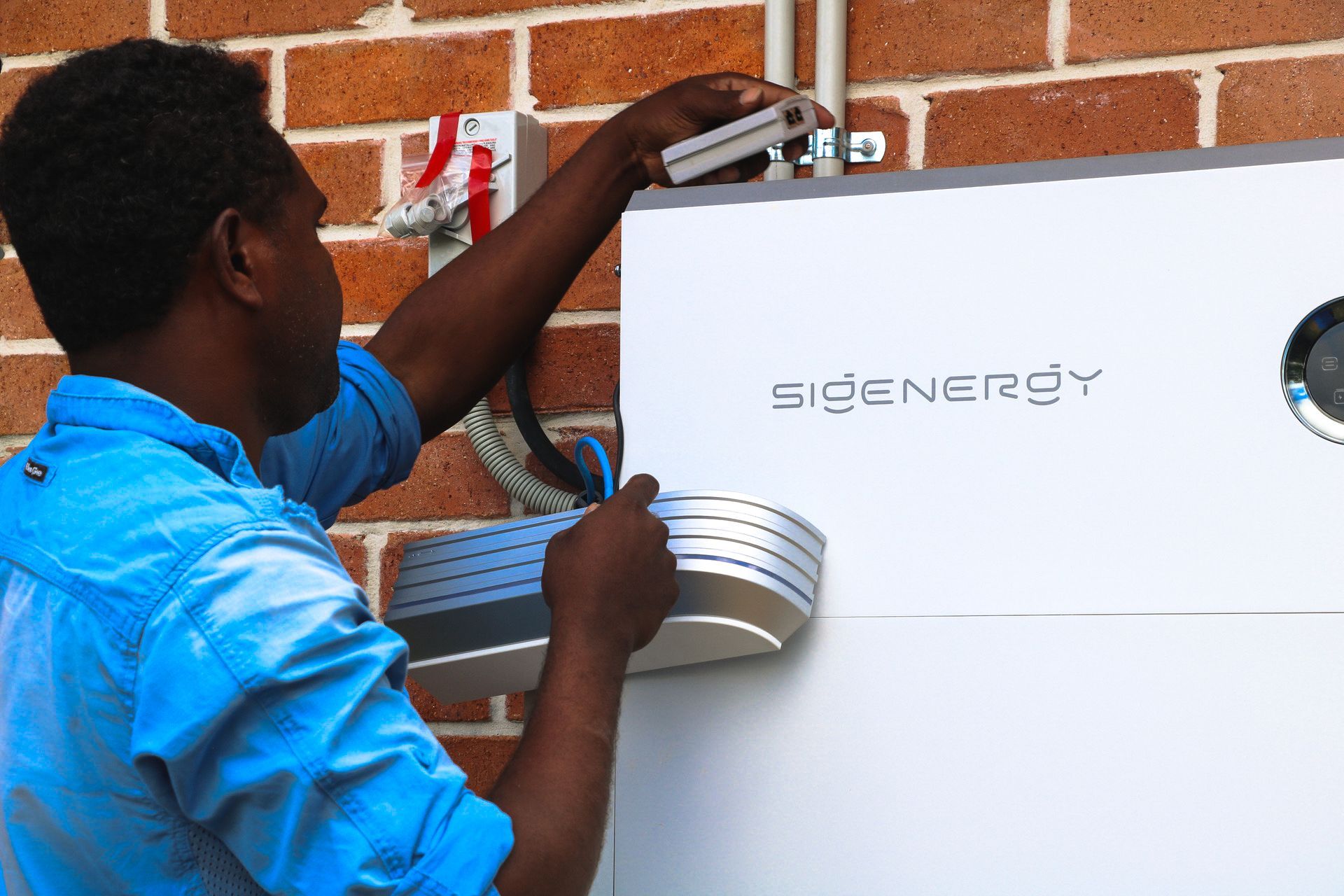
Sigenergy provides integrated energy storage platforms that combine battery storage and energy management in a single system architecture, designed for monitoring, optimisation, and scalability.
Both systems are typically selected based on installation design, household requirements, and system configuration rather than brand alone.
Conclusion
Choosing the right solar battery storage system in Australia depends on understanding your energy usage, selecting the right system design, and ensuring proper installation and luckily that's what we're here for at Open Electrical.
With the right setup, homeowners can increase solar self consumption, improve energy resilience, and make better use of renewable energy throughout the day and night.