How Much Energy Do Solar Panels Produce in Brisbane?
Brisbane is one of the best locations in Australia for solar energy, with consistent sunlight throughout the year. On average, the region receives around 5 to 5.5 peak sun hours per day, making it ideal for generating reliable solar power.
However, the actual energy output of a solar system isn't a fixed number. It depends on several factors including system size, panel orientation, installation quality and how efficiently the system has been designed.
As a general guide, a well-designed residential solar system in Brisbane can produce the following:
A 5 kilowatt system may generate roughly 18 to 22 kilowatt hours per day; this aligns with typical 5kw solar system output brisbane households report under favorable conditions.
A 6.6 kilowatt system may generate around 24 to 28 kilowatt hours per day
A 10 kilowatt system can often produce 35 kilowatt hours or more per day
These figures assume optimal conditions such as a north-facing roof and minimal shading. Real-world performance will always vary depending on the property and system design.
What Impacts Solar Performance in Brisbane?
While Brisbane has excellent solar conditions, system performance ultimately comes down to how the system is designed and installed.
Some of the key factors that influence output include:
- Roof orientation and pitch
-Shading from trees or surrounding buildings
-Panel quality and system efficiency
-Inverter performance and system integration
-Installation standards
-Two systems with the same size can perform very differently depending on these variables. That's why design plays a bigger role than just the system size alone.
Choosing the Right Solar System Size
The right system size depends on how much electricity your household actually uses.
Most homes in Australia use somewhere between 15 and 25 kilowatt hours of electricity per day, but this can vary significantly depending on household size, appliances, and lifestyle.
Looking at your electricity bills can help you understand your daily usage and when you use the most energy.
For many households, a 6.6 kilowatt system is a common starting point. However, homes with higher energy usage, electric vehicles, or plans to electrify more appliances may benefit from larger systems.
Rather than choosing a system based purely on price or averages, it is more effective to size it around your actual usage and future needs.
Why Self Consumption Matters
One of the most important concepts in solar is self consumption, which refers to how much of your solar energy you use within your home.
Electricity from your solar system is most valuable when you use it directly. Exporting energy back to the grid typically returns a lower value compared to what you pay for electricity.
Because of this systems that are designed to match your usage patterns tend to deliver better long term results.
This is also why more homeowners are starting to consider battery storage, as it allows excess solar energy to be used later in the day rather than exported.
Solar Rebates and Incentives in Brisbane
Solar systems in Brisbane are supported by a federal incentive scheme that reduces the upfront cost of installation.
This is applied through small scale technology certificates, which are included in the system price at the time of installation. The value of this incentive depends on system size and location, but it plays a significant role in making solar more accessible.
For up-to-date solar rebates brisbane information, check current federal STC values and any state or local programs, as offers can change over time and are often included in advertised pricing.
See more
here
Are Solar Panels Worth It in Brisbane?
For most households in Brisbane, solar remains one of the most effective ways to reduce electricity costs.
Savings depend on several factors including system size, energy usage patterns, and electricity pricing. Homes that use more energy during the day typically see faster returns.
In many cases, solar systems can significantly reduce reliance on grid electricity, particularly when designed correctly for the household.
Beyond financial return, many homeowners also value the increased energy independence and reduced exposure to rising electricity prices.
What About Solar Batteries?
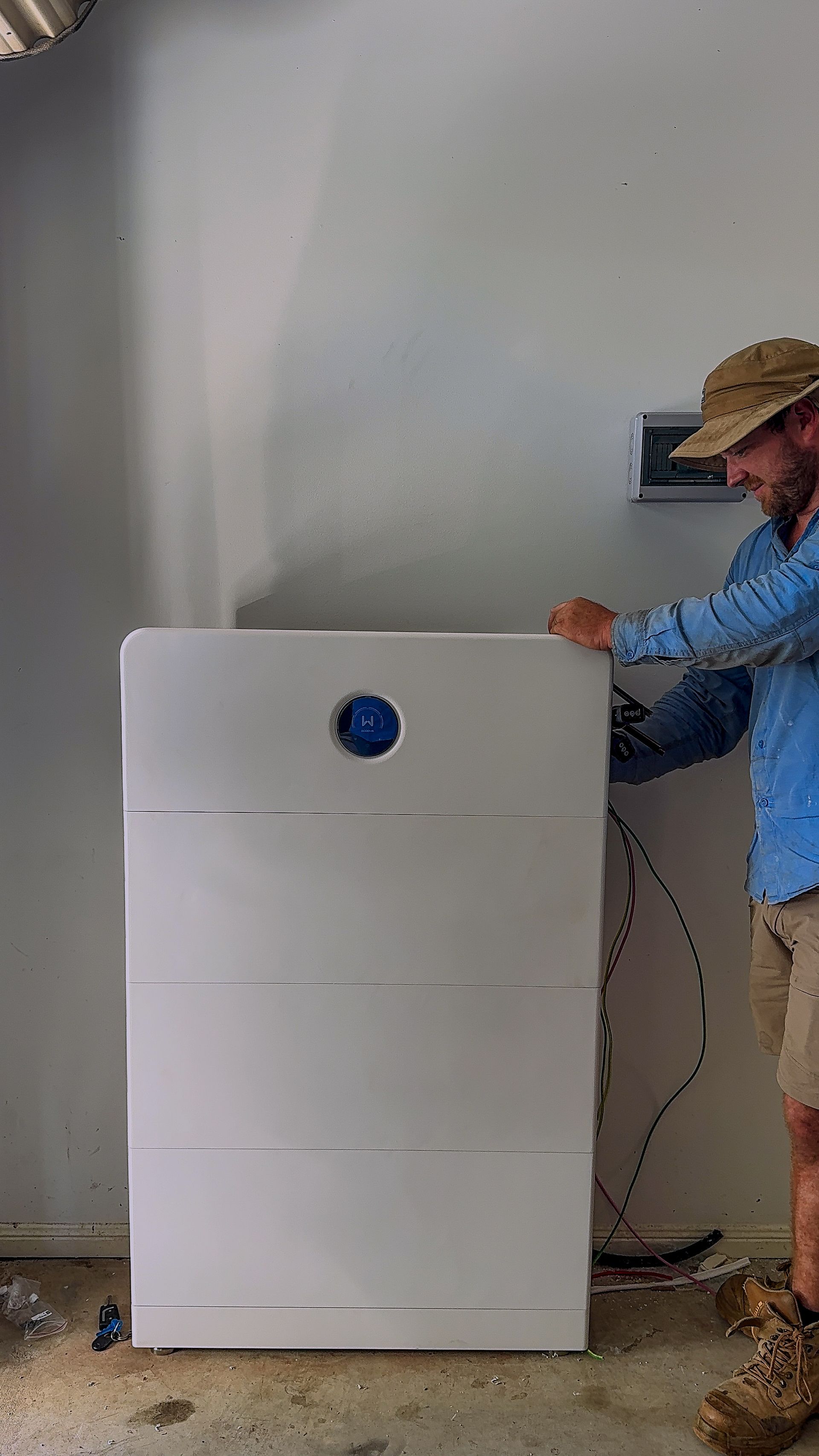
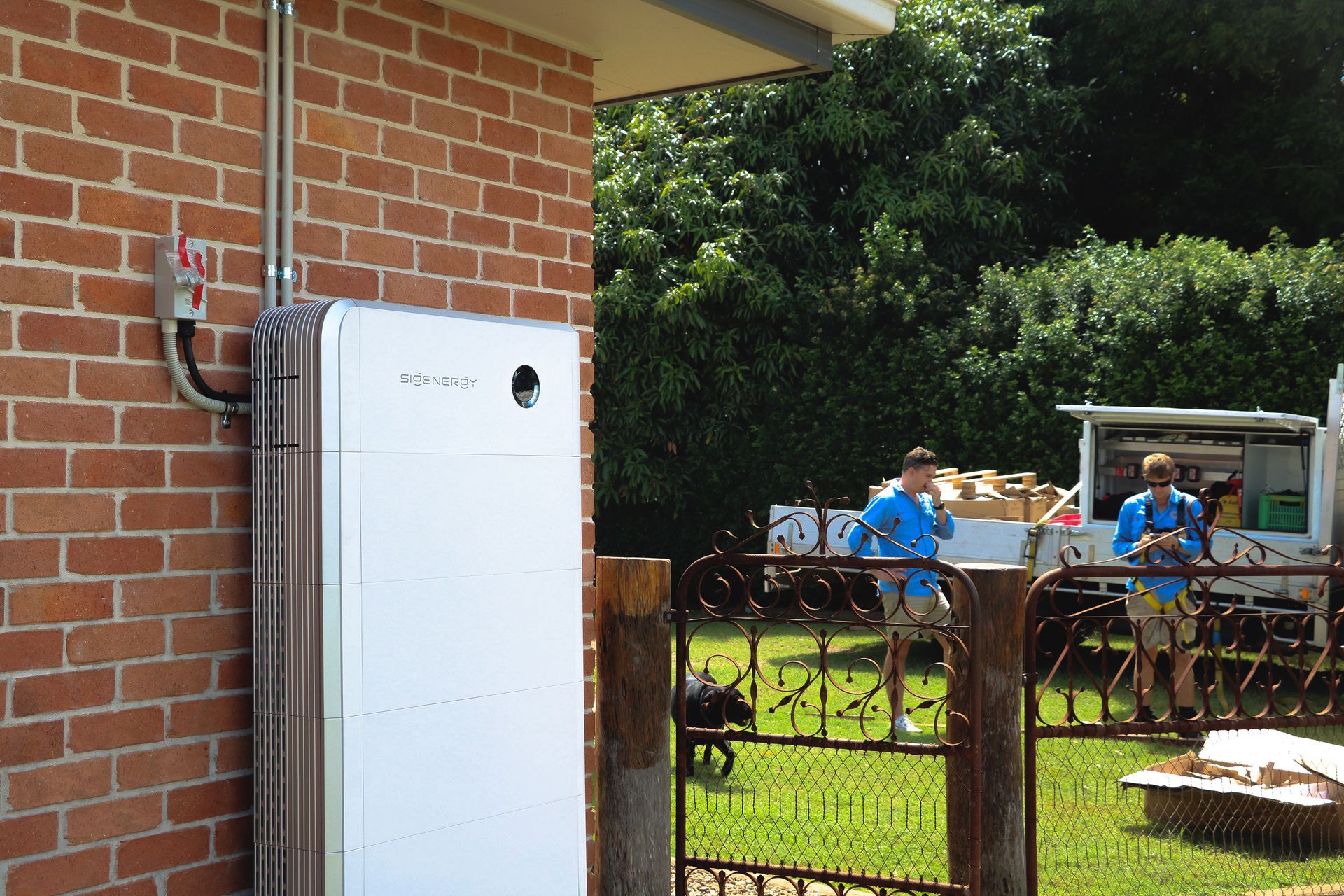
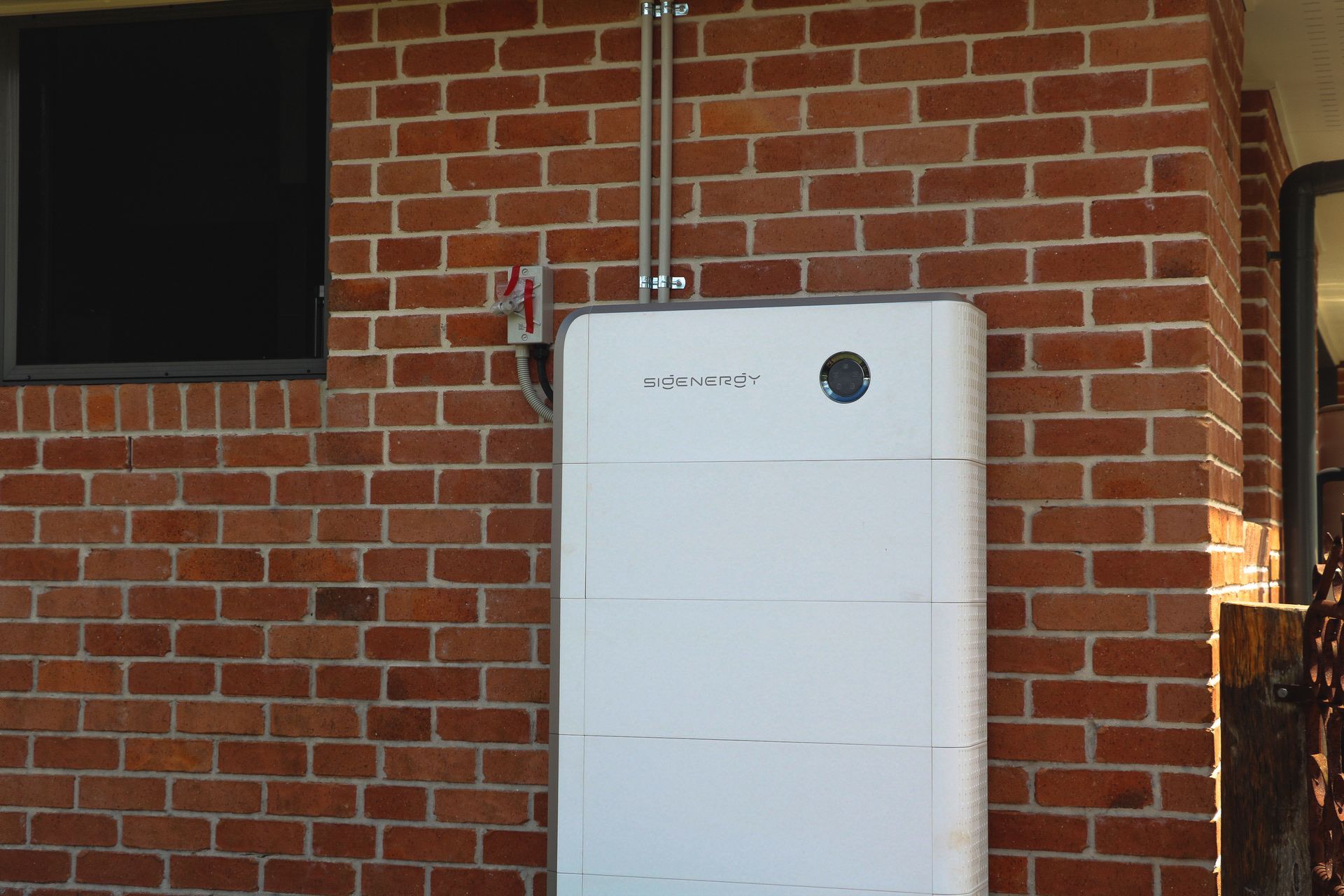
Battery storage is becoming more common in Brisbane, but installing one depends on your goals. When evaluating solar battery storage Brisbane options, consider whether you want bill savings, backup power or greater energy independence.
Batteries offer additional benefits other than long term return on investment.
These include:
- Using stored solar energy at night
- Reducing reliance on the grid
- Providing backup power during outages
- Improving overall system control
- For some households, these benefits outweigh the longer payback period.
- Many homeowners are also choosing to install battery ready systems allowing them to add storage later as technology evolves.
Final Thoughts
Brisbane offers excellent conditions for solar, but system performance comes down to more than just sunlight.
The most important factors are system design, correct sizing and installation quality.
A well-designed system can significantly improve how much energy you generate and how effectively you use it, leading to better long term results.
Frequently Asked Questions
Question: What factors most affect my system’s actual output?
Short
answer: Design and installation are critical. Key drivers include roof orientation and pitch, shading from trees/buildings, panel quality and overall system efficiency, inverter performance and integratio plus installation standards. Two systems of the same size can perform very differently depending on these variables.
Question: Which system size should I choose?
Short
answer: Start with your actual electricity use from recent bills. Many Australian homes use 15–25 kWh/day. As a guide under good conditions: a 5 kW system may produce ~18–22 kWh/day, a 6.6 kW system ~24–28 kWh/day, and a 10 kW system ~35+ kWh/day. A 6.6 kW setup is a common starting point, while higher-usage homes, EV owners, or those planning further electrification may benefit from larger systems.
Size for your current and future needs rather than price alone.
Question: Why does self-consumption matter, and should I add a battery?
Short
answer:
Solar energy delivers the greatest value when you maximise the amount of power you use within your home rather than exporting it back to the grid at lower feed in tariff rates. Systems designed around your household’s energy usage patterns can significantly improve long term savings and overall energy independence.
Battery storage is becoming an increasingly important part of modern home energy systems, allowing homeowners to store excess solar energy for use during the evening when electricity prices are typically highest. In addition to reducing grid reliance, batteries can provide backup protection during outages, smarter energy management and greater control over how and when energy is used. As electricity costs continue to rise across Queensland, more homeowners are choosing to invest in battery systems now or install battery ready solutions designed for future expansion.
Question: What rebates or incentives are available for solar and battery in Brisbane?
Short
answer: Brisbane systems are supported by a federal incentive via Small-scale Technology Certificates (STCs), which reduce upfront cost and are usually included in the quoted system price. The value depends on system size and location. For the latest details, check current federal STC values linked above and any state or local programs, as offers change over time and are often reflected in advertised pricing.