With electricity prices continuing to rise, more Brisbane homeowners are exploring solar power as a way to reduce their energy bills and take greater control of their household energy usage.
One of the most common questions we hear is:
"What rebates are actually available?"
The answer is often simpler than many people think.
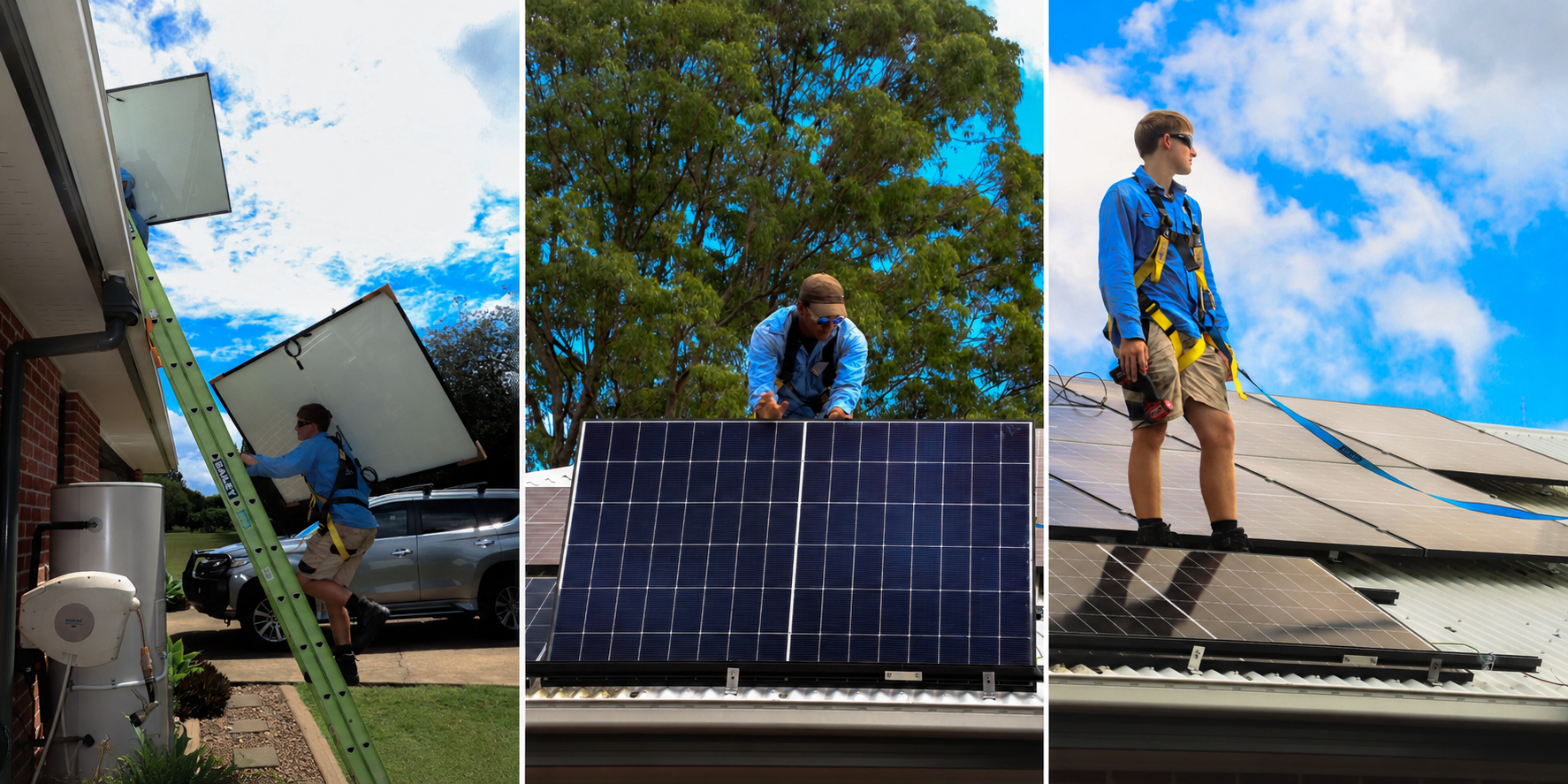
While there are various incentives and programs discussed online, the primary financial benefit currently available to most homeowners comes through the Federal Government's Small-scale Renewable Energy Scheme (SRES), which provides an upfront discount on eligible solar installations.
Here's what Brisbane homeowners need to know.
Understanding The Federal Solar Incentive
Many people refer to the Federal Government incentive as a "solar rebate", however it doesn't operate like a traditional rebate where money is paid back after installation.
Instead, eligible solar systems create Small-scale Technology Certificates (STCs), which have a market value and can be assigned to your installer in exchange for an upfront discount on the cost of your system.
In practical terms, this means the discount is typically applied directly to your quote before installation takes place.
For many Brisbane homeowners, STCs can reduce the upfront cost of a solar system by several thousand dollars, depending on factors such as:
- System size
- Installation date
- Current certificate market value
- Property location
Your installer will generally manage the STC paperwork on your behalf, making the process straightforward and hassle-free.
Why The Federal Incentive Changes Over Time
The Federal Government incentive gradually reduces each year as Australia continues its transition towards renewable energy.
This means homeowners who install solar sooner generally receive a larger discount than those who wait until future years.
While solar remains an excellent long-term investment, the available STC benefit decreases annually until the scheme concludes in 2030.
For this reason, many homeowners choose to investigate solar sooner rather than later.
Understanding Feed-In Tariffs
A Feed-in Tariff (FiT) is the credit your electricity retailer pays for excess solar energy exported back to the grid.
For example, if your solar system generates more electricity than your household is using during the day, the excess energy can be sent back to the electricity network.
Your retailer then provides a credit on your electricity bill based on the amount exported.
It's important to understand that Feed-in Tariffs are set by individual electricity retailers and can vary significantly between providers.
When comparing energy plans, homeowners should look beyond the Feed-in Tariff alone and consider:
- Daily supply charges
- Usage rates
- Export limits
- Contract conditions
The best solar plan isn't always the one offering the highest export credit.
Why Self-Consumption Matters More Than Feed-In Tariffs
While exporting solar energy can provide valuable bill credits, most homeowners achieve greater savings by using their solar energy within the home.
This is known as self-consumption.
For example, running appliances such as:
- Air conditioners
- Pool pumps
- Washing machines
- Dishwashers
during daylight hours can help maximise the value of your solar system.
This is because the cost of purchasing electricity from the grid is typically much higher than the credit received for exported solar energy.
Should You Consider Battery Storage?
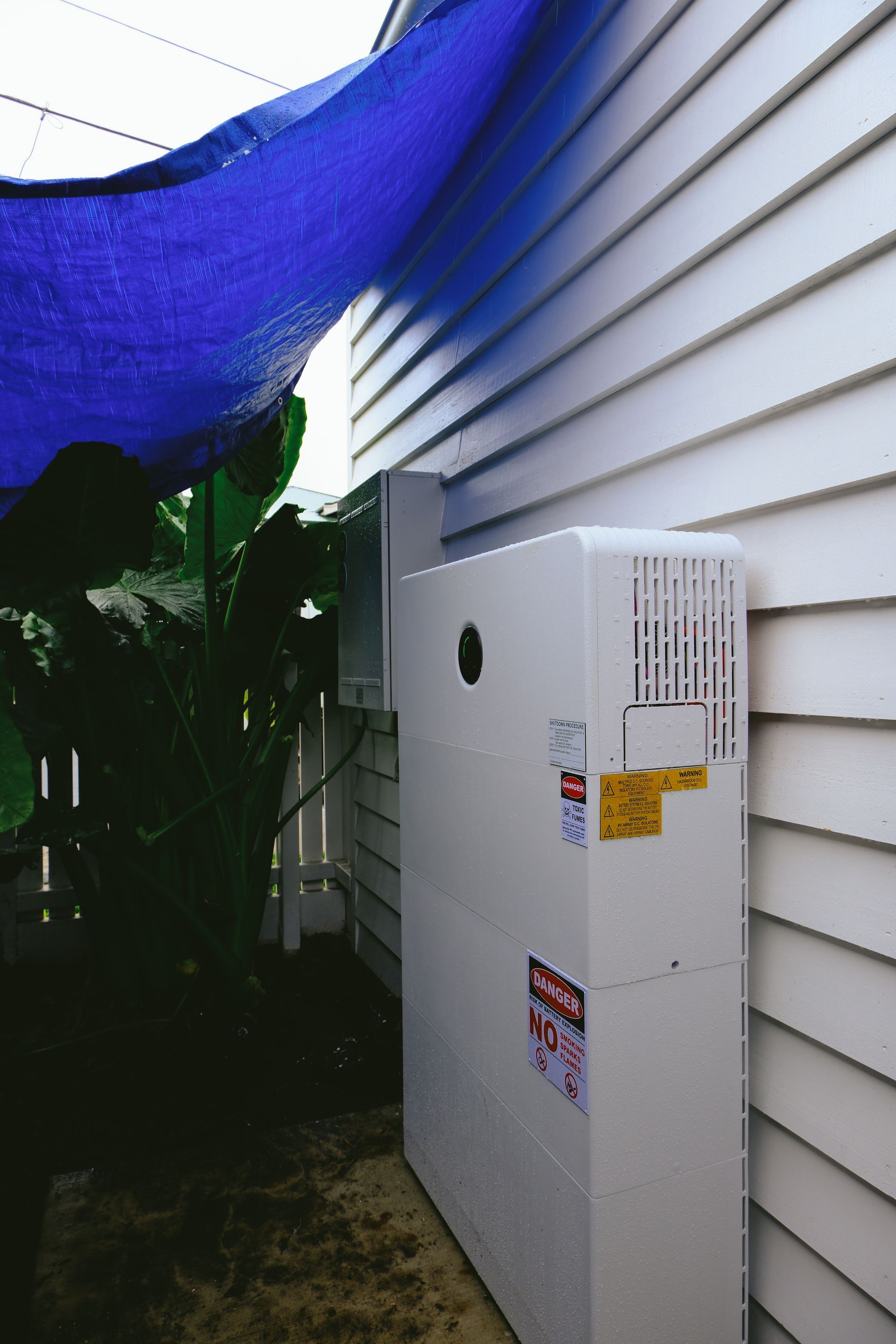
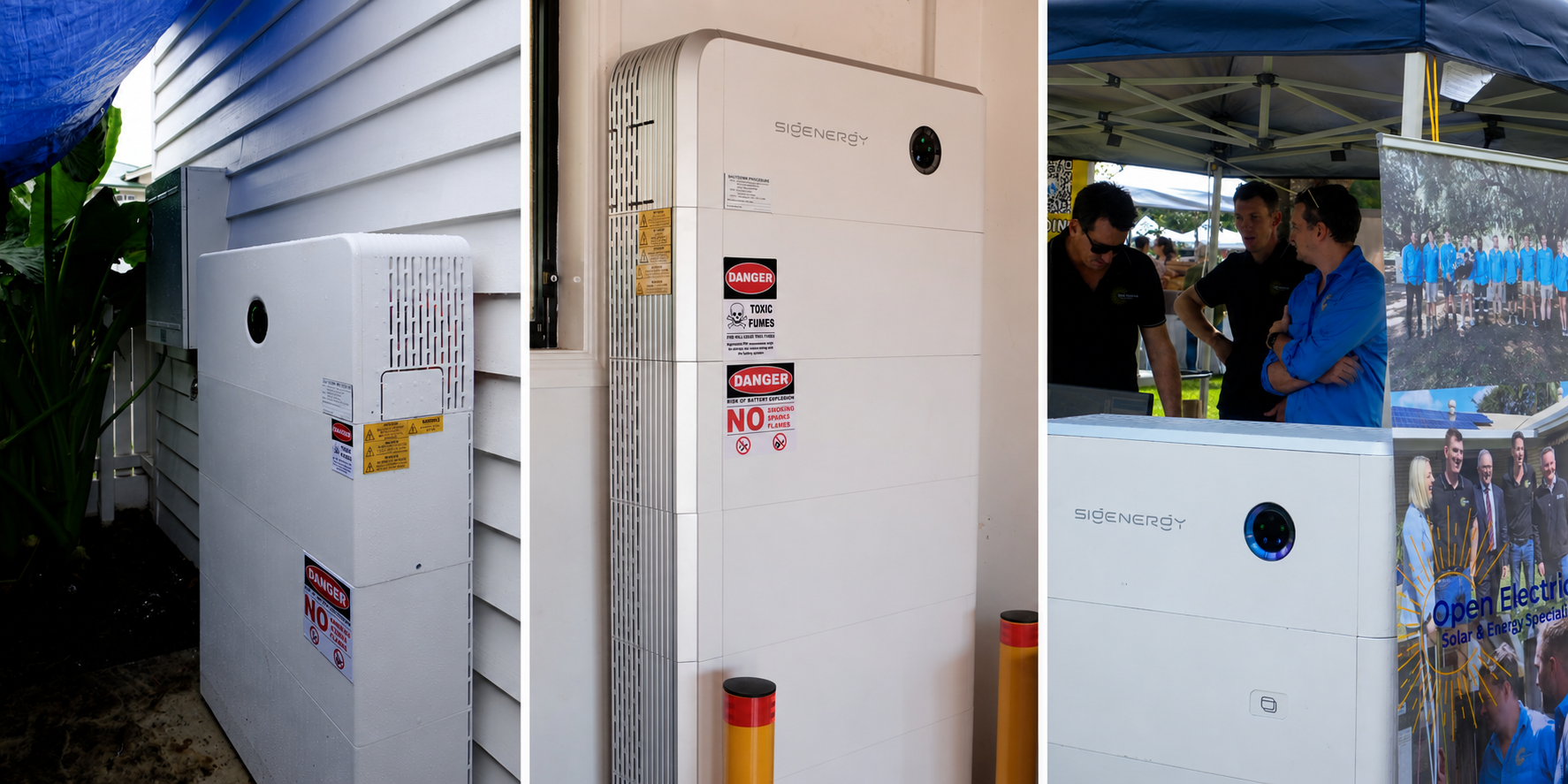
Battery storage allows homeowners to store excess solar energy generated during the day and use it later when energy demand is highest.
For many Brisbane households, batteries can provide benefits including:
- Increased energy independence
- Reduced reliance on the electricity grid
- Greater utilisation of solar energy
- Backup power capabilities when configured appropriately
- Improved energy management and monitoring
As battery technology continues to improve, more homeowners are considering battery storage as part of their long-term energy strategy.
Is Solar Worth It In Brisbane?
With Brisbane's strong solar conditions and rising electricity prices, solar continues to offer significant long-term value for many households.
Every home is different, however a properly designed solar system can help reduce electricity costs, improve energy independence and provide long-term savings for years to come.
If you're considering solar or battery storage, speaking with an experienced local installer can help you understand the options available and determine what solution is best suited to your home.
At Open Electrical, we provide tailored solar and battery solutions designed around your household's energy needs, helping Brisbane homeowners make informed decisions with confidence.