From July 1 a new Australian Government energy initiative known as the Solar Sharer Offer is set to change how households use electricity during the day
For eligible homes in South East Queensland this program introduces a three hour daytime electricity window where energy is significantly reduced or effectively free depending on your electricity retailer and plan
While it may sound simple on the surface the implications for household energy use especially for homes with solar and battery systems are significant
What is the Solar Sharer Offer
The Solar Sharer Offer is a federal initiative designed to better utilise excess solar energy being generated during the middle of the day
Instead of wasting surplus solar generation or placing additional strain on the grid electricity retailers are encouraged to offer customers a midday energy window with heavily reduced pricing or zero cost usage up to a daily allowance
The goals of the scheme include
Reducing pressure on the electricity grid
Making better use of daytime solar production
Encouraging smarter household energy consumption
Helping households reduce overall electricity costs
The scheme initially applies to South East Queensland New South Wales and South Australia with potential for broader national rollout in the future
Who is Eligible
One of the most important features of the program is accessibility
You do not need solar panels to benefit from the Solar Sharer Offer
To participate households generally require
A smart meter installed
An eligible time of use electricity plan
Opt in through an approved electricity retailer
This means both homeowners and renters can take advantage of the program
When is the Free Power Window
The three hour energy window aligns with peak solar generation periods
South East Queensland 11am to 2pm
New South Wales 11am to 2pm
South Australia 12pm to 3pm
During this time households can access reduced cost or free electricity usage up to a daily threshold set by the retailer
Understanding the 24kWh Daily Cap
Most plans include a daily usage allowance of around 24 kilowatt hours during the free energy window
If usage exceeds this limit
Standard daytime electricity rates apply
There are no penalties or disconnections
Smart meters automatically track usage
For most households 24 kilowatt hours is enough to run major appliances such as
Air conditioning systems
Washing machines and dryers
Hot water systems
Battery charging systems
Why Battery Systems Change the Outcome
On its own the Solar Sharer Offer provides a valuable cost saving window during the day
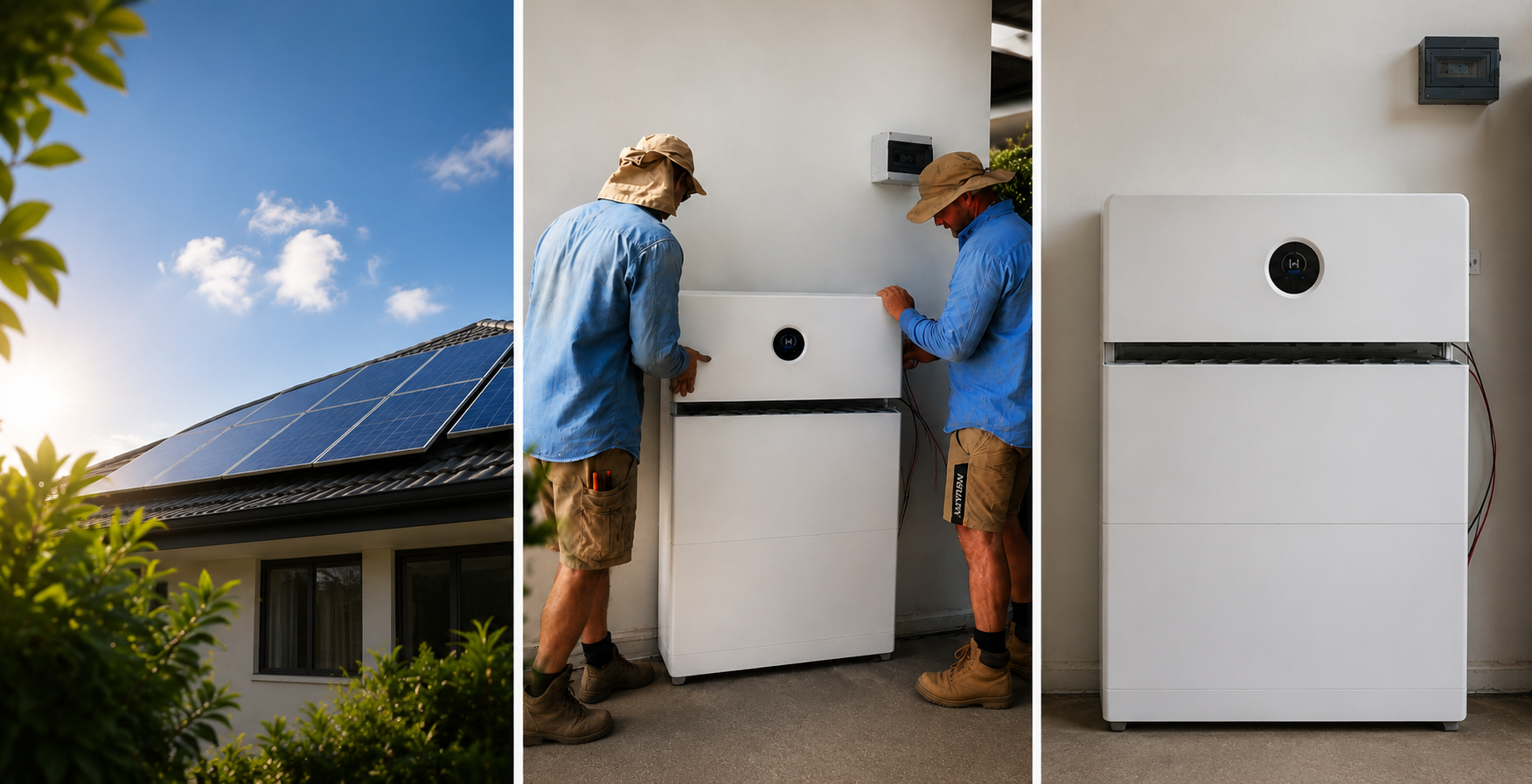
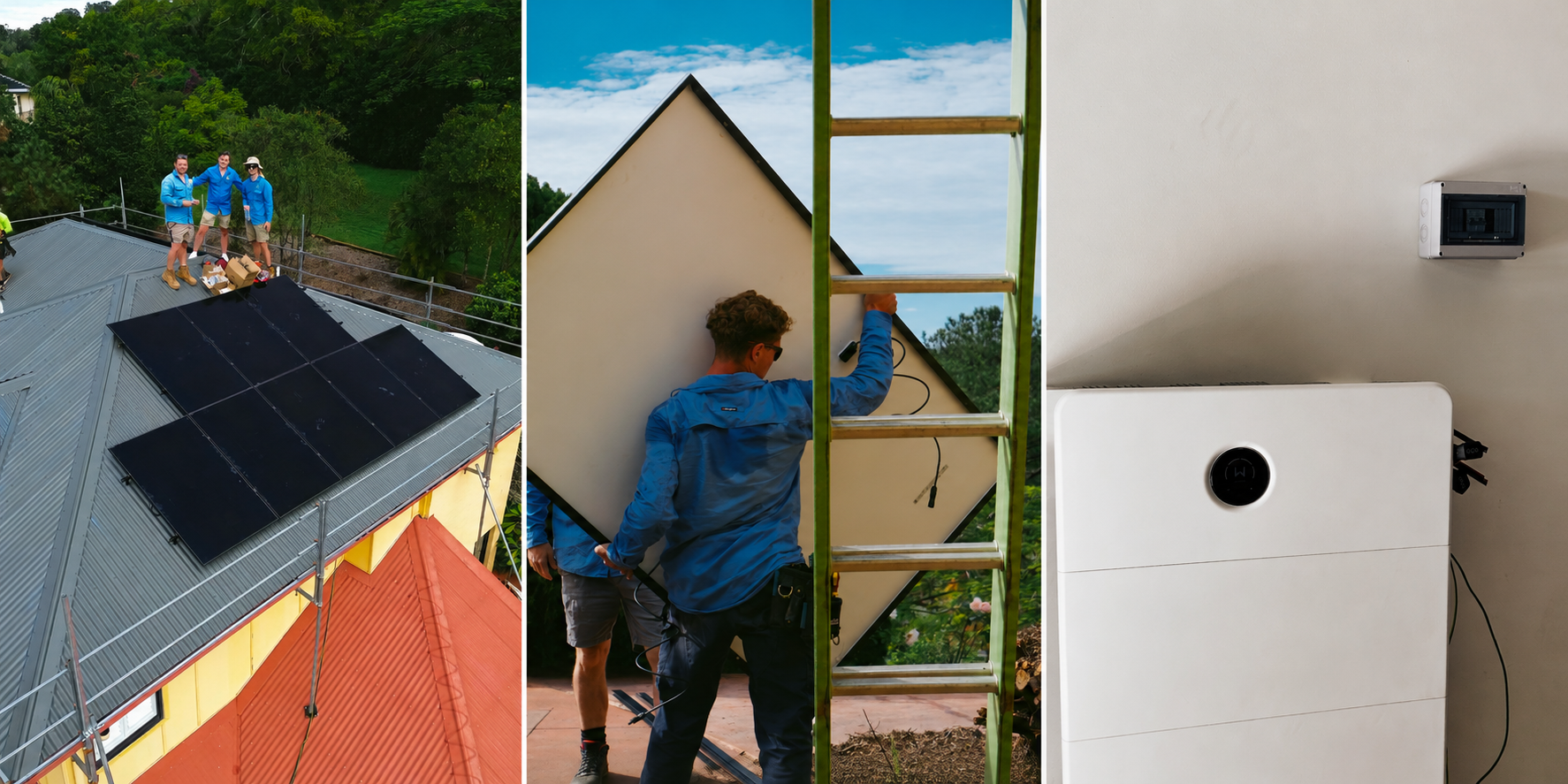
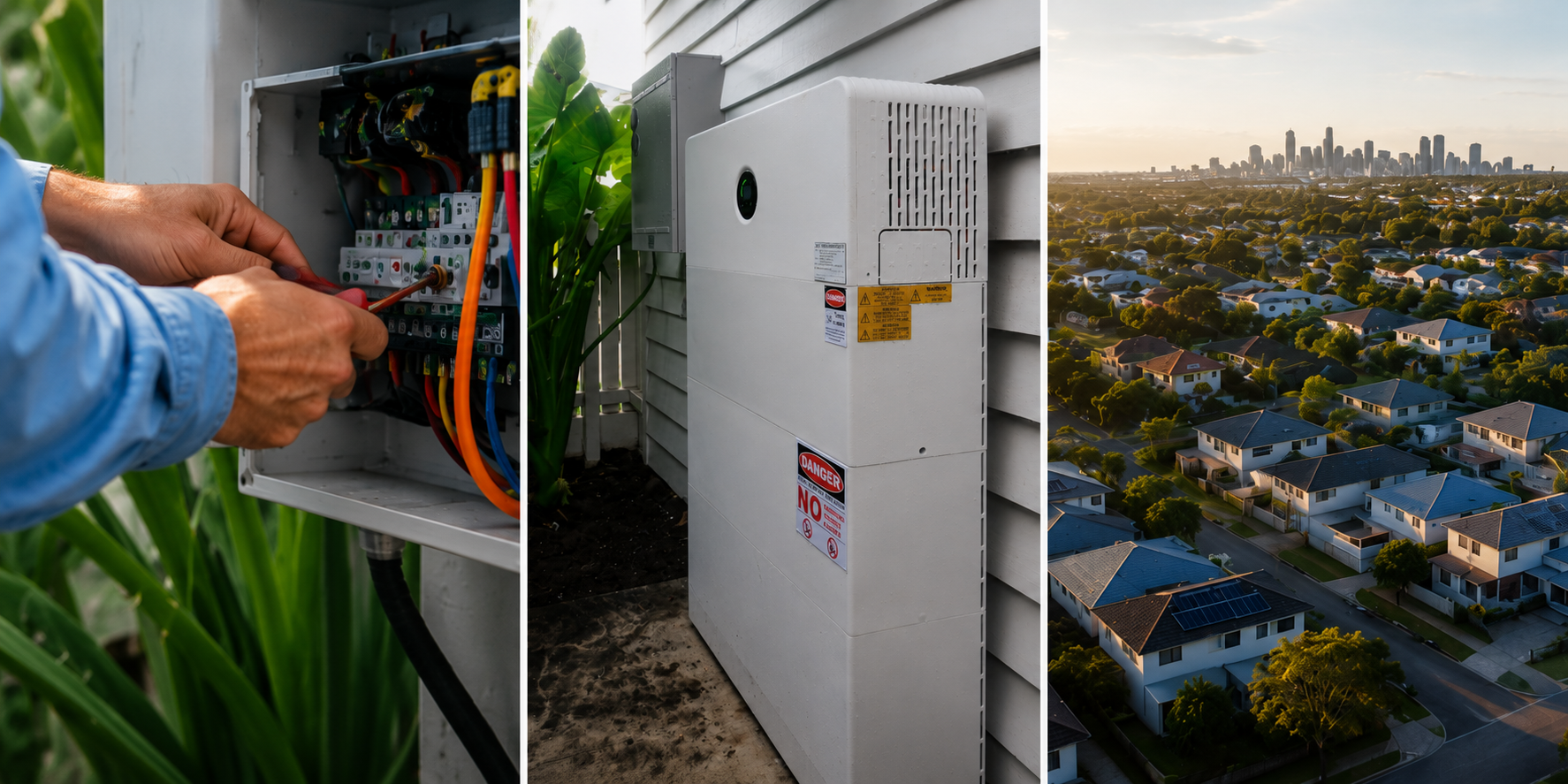
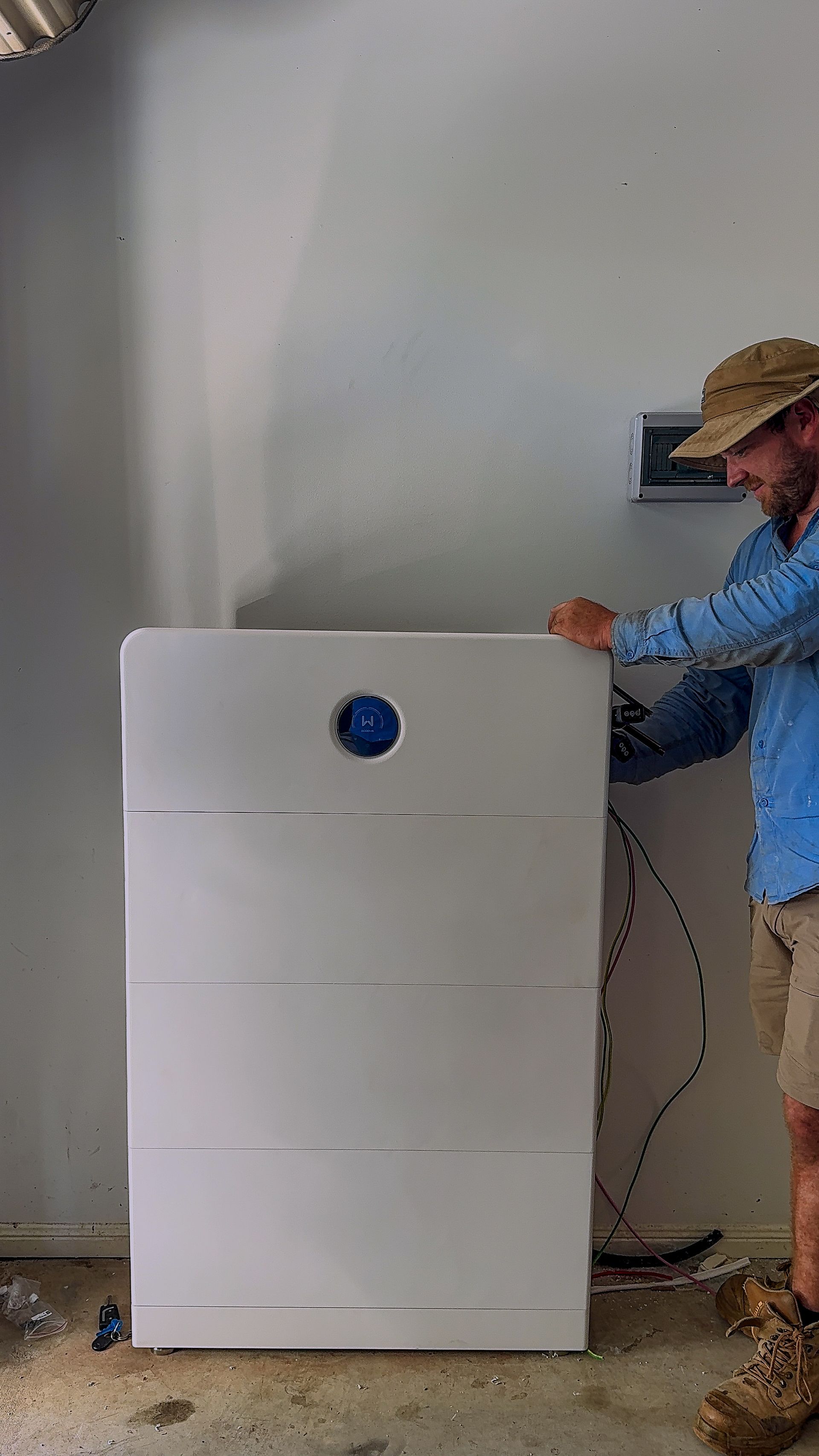
However when paired with a home battery system such as Sigenergy the benefits increase significantly
Battery systems allow households to
Store energy during the midday window
Use stored energy during peak evening pricing periods
Reduce reliance on expensive grid electricity at night
Improve overall energy efficiency and control
This transforms the home from simply consuming energy to actively managing and shifting energy usage across the day
Single Phase vs Three Phase Homes
Single Phase Homes
Most Australian households fall into this category
Standard residential energy load capacity
Suitable for typical household usage
May reach usage limits more quickly under heavy appliance demand
Three Phase Homes
Typically larger homes or properties with higher energy demands
Higher load capacity
Better suited for EV charging and large battery systems
More efficient use of midday energy windows
Important Considerations Before Switching Plans
Before opting into a Solar Sharer Offer plan it is important to review
Peak evening electricity rates
Off peak tariff changes
Feed in tariff adjustments
Overall contract structure
In some cases savings during the midday period may be offset by higher evening rates depending on the retailer
How to Maximise the Benefit
To get the most value from the program households should consider
Running appliances during the midday window
Using delay timers on washing machines and dishwashers
Charging EVs during peak solar hours
Prioritising battery charging during the free energy period
Final Thoughts
The Solar Sharer Offer represents a shift in how Australians will interact with the energy grid
Rather than simply consuming electricity when needed households are now being encouraged to think about when energy is used and how it can be optimised
For homes with solar and battery systems this creates an opportunity to
Reduce long term electricity costs
Improve energy independence
Maximise the value of daytime solar generation
As electricity pricing continues to evolve households that adopt smarter energy systems are likely to be best positioned to benefit