From July 1, eligible electricity plans across South East Queensland will begin offering a daily 3-hour free power window.
At first glance, it sounds like an easy way to reduce your electricity bill.
But as with most energy offers, the headline doesn't tell the whole story.
For some households, this initiative could create genuine savings opportunities. For others, the benefit may be smaller than expected depending on their electricity usage, tariff structure, solar system, and whether they have battery storage.
Here's what homeowners should know before changing plans.
What Is the 3-Hour Free Power Initiative?
Several electricity retailers are introducing plans that provide a daily three-hour period where electricity usage is not charged.
Most plans are expected to offer this window during the middle of the day when demand is lower and solar generation is at its highest.
For households that can shift their energy usage into this period, there may be an opportunity to reduce overall electricity costs.
However, not all plans are identical, and the details matter.
The Question Most Homeowners Should Be Asking
The biggest question isn't:
"How can I use free power during those three hours?"
It's:
"How can I use those three hours to reduce my electricity costs outside those three hours?"
That's where batteries become particularly interesting.
Why Batteries Could Benefit Most
Many Australians aren't home during the middle of the day.
If you're at work while the free power period is active, you may struggle to use enough electricity during that window to make a meaningful difference.
A battery changes that equation.
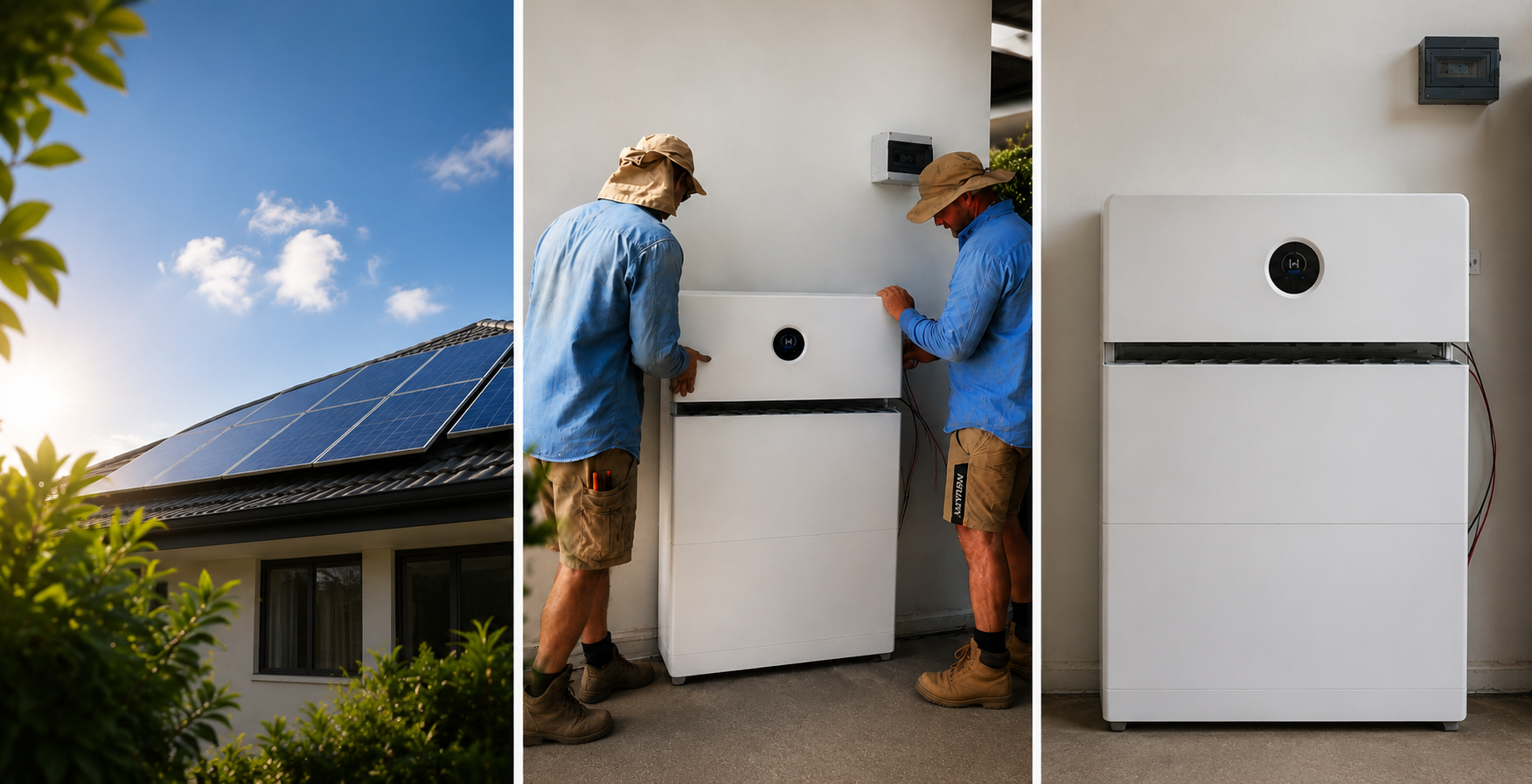
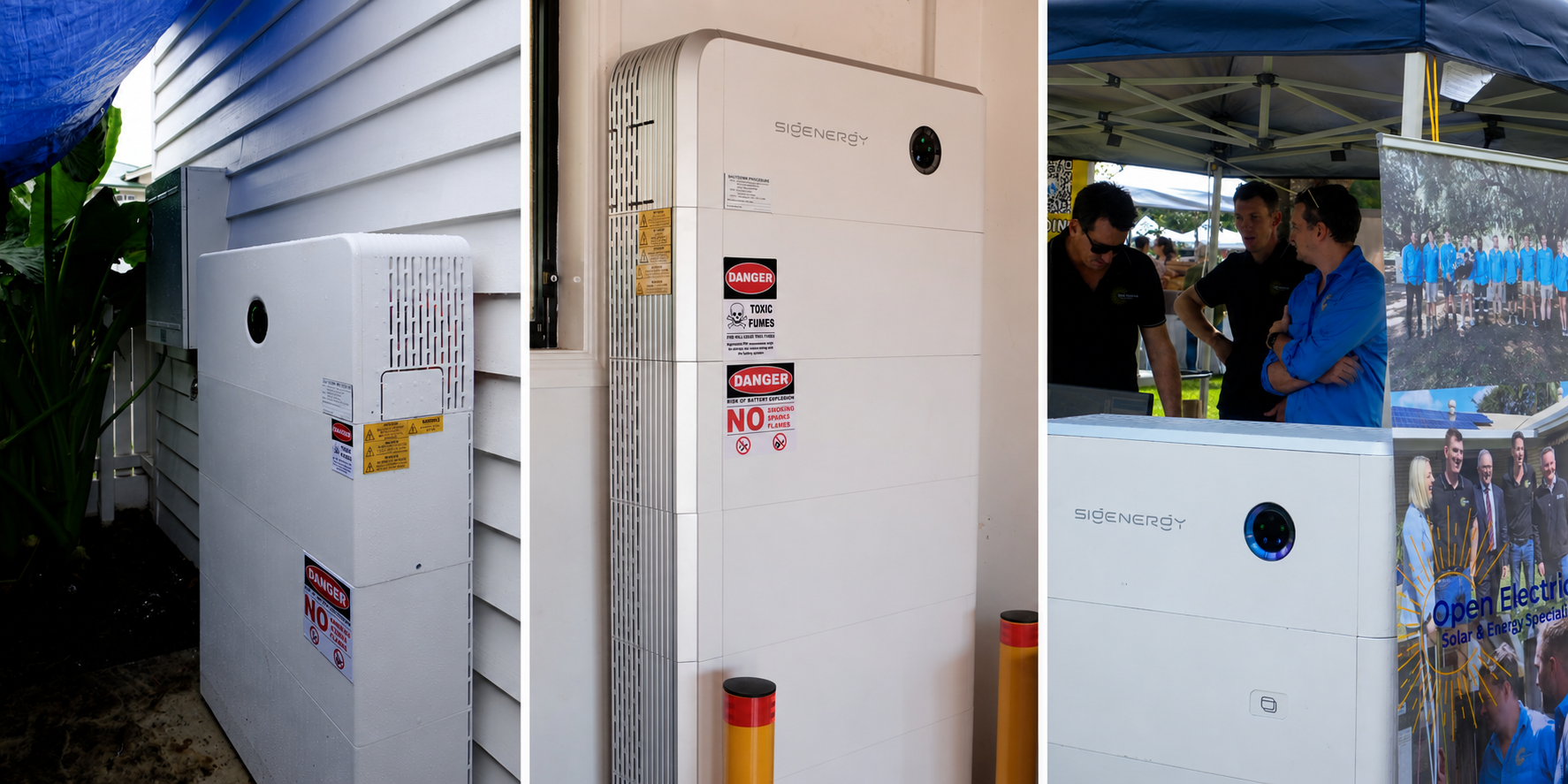
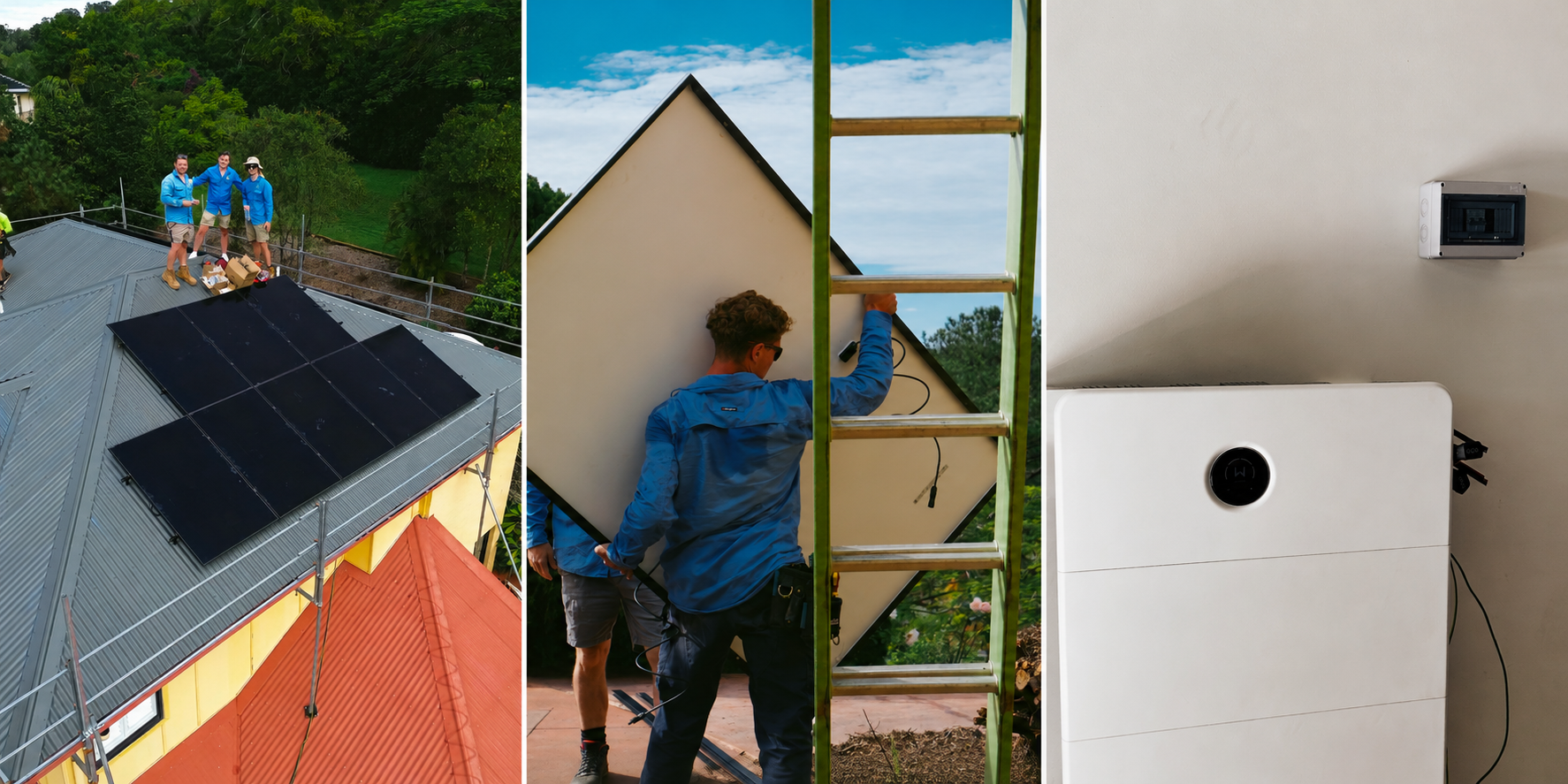
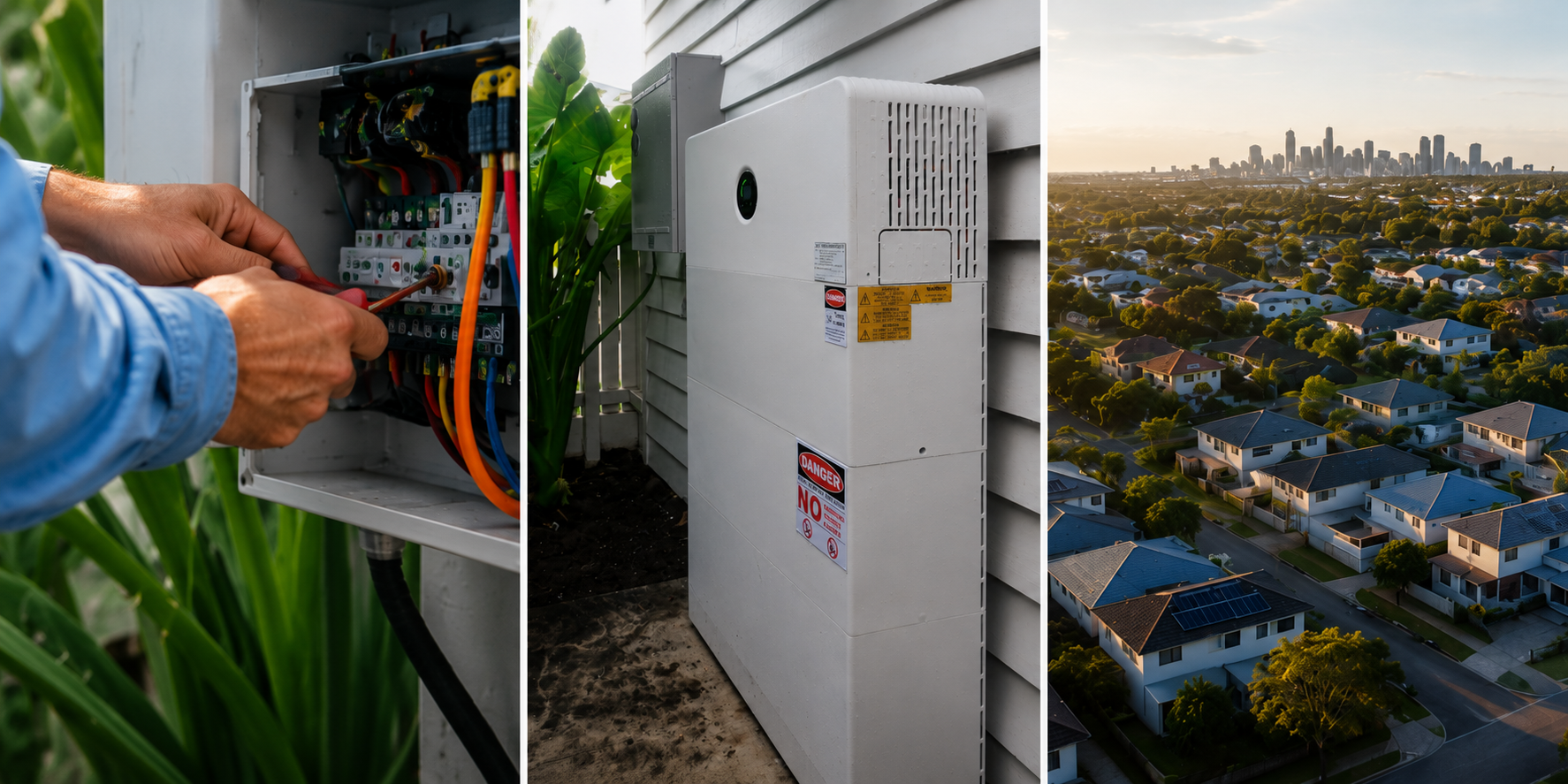
Instead of trying to consume power while it's available, a battery allows you to store energy during the free period and use it later when electricity is more expensive.
This means homeowners may be able to:
- Charge their battery during the free period
- Store that energy for evening use
- Reduce reliance on higher-cost peak electricity
- Improve energy independence
- Increase the value of their existing solar investment
For many households, that's where the real opportunity lies.
Batteries Aren't Just For Excess Solar
One common misconception is that batteries only make sense when you have excess solar energy available to store.
While solar remains one of the best ways to charge a battery, these new daytime energy plans could create another charging opportunity for homeowners.
For example:
- Cloudy or rainy weather can reduce solar production.
- Winter months often generate less solar energy.
- Some homes simply don't have enough roof space to install additional solar panels.
- High-energy households may use most of their solar generation as it's produced.
In these situations, a battery can still provide value.
Instead of relying solely on solar generation, homeowners may be able to charge their battery during the daytime energy window and use that stored energy later when electricity prices are higher.
For some households, this could help bridge the gap between solar production and evening energy usage, providing another layer of flexibility and energy control.
The Catch: Check the Entire Energy Plan
One of the biggest mistakes homeowners make is focusing only on the headline offer.
Some plans that advertise free electricity periods may also include:
- Higher peak tariffs
- Different shoulder rates
- Lower solar feed-in tariffs
- Daily usage limits
- Specific eligibility requirements
A plan offering three hours of free electricity may still cost more overall if the remaining tariff structure isn't suitable for your home.
That's why comparing the entire plan is essential.
Understanding Daily Usage Caps
Many retailers are expected to apply a daily usage cap during the free period.
A common example being discussed is a 24kWh daily limit.
Once that limit is reached, standard electricity charges typically apply again.
For the average household, 24kWh is a substantial amount of energy.
However, homes with battery systems, EV chargers, large air-conditioning systems or multiple high-consumption appliances may reach that limit much faster than expected.
Understanding how your household uses electricity is critical.
Single-Phase vs Three-Phase Homes
Your home's electrical supply can also affect how much benefit you receive.
Single-Phase Homes
Most Australian homes are single-phase.
These households can comfortably run appliances and charge batteries during the free period but generally draw power at a lower rate.
For many homeowners, this is more than sufficient.
Three-Phase Homes
Three-phase properties can draw significantly more power at any given time.
This can be particularly useful for:
- EV charging
- Large ducted air-conditioning systems
- Heat pumps
- Larger battery systems
While usage caps may still apply, three-phase properties can maximise the available power much faster during the free window.
Simple Ways to Maximise the Opportunity
Even without a battery, homeowners can still take advantage of the midday energy window by scheduling energy-intensive appliances to run automatically.
Examples include:
- Washing machines
- Dryers
- Dishwashers
- Pool pumps
- Hot water systems
- EV chargers
Many modern appliances include delay-start functions making it easy to shift consumption into lower-cost periods.
Is a Battery Worth Considering?
Every home is different.
The value of a battery depends on factors such as:
- Current electricity usage
- Solar generation
- Household occupancy patterns
- Energy retailer plan
- Future EV charging needs
- Existing tariff structure
For some households a battery may create substantial long-term savings and greater energy independence.
For others, the numbers may not stack up in the same way.
The important thing is understanding how the technology, your electricity plan and your usage patterns work together.
The Bottom Line
The new 3-hour free power initiative could be a positive step for many South East Queensland homeowners.
However, the biggest savings may not come from using power during the free period itself.
For households with solar and battery storage, the opportunity may be in storing that energy and using it later when electricity costs are higher.
Before changing electricity plans, it's worth understanding the full picture rather than focusing solely on the headline offer.
Need Advice?
At Open Electrical, we help homeowners understand how solar, battery storage and electricity plans work together to maximise long-term value.
If you're considering a battery or want to understand whether these new energy plans could benefit your household, our team can help.
Contact us to discuss your options and build a smarter energy strategy for your home.