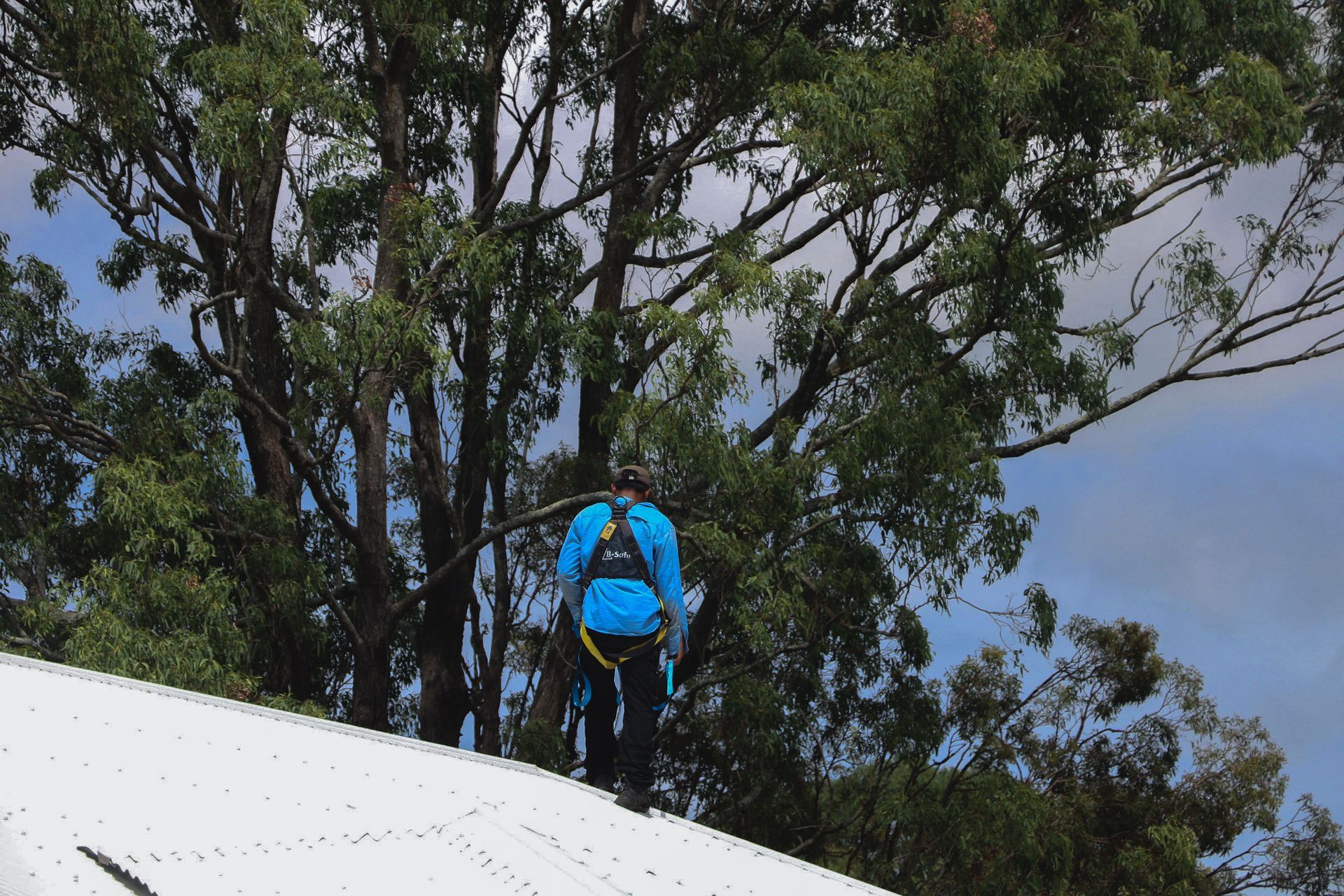
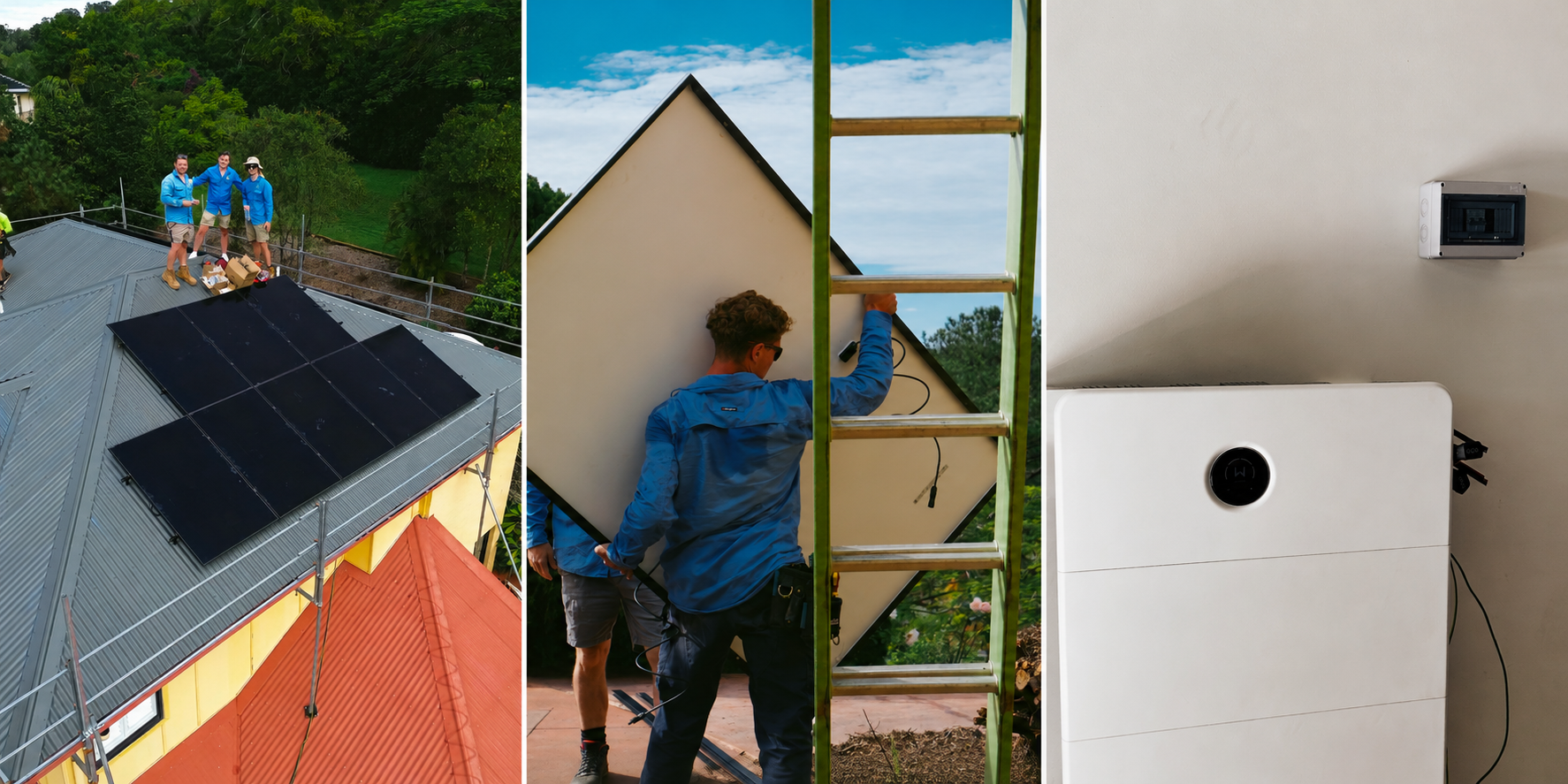
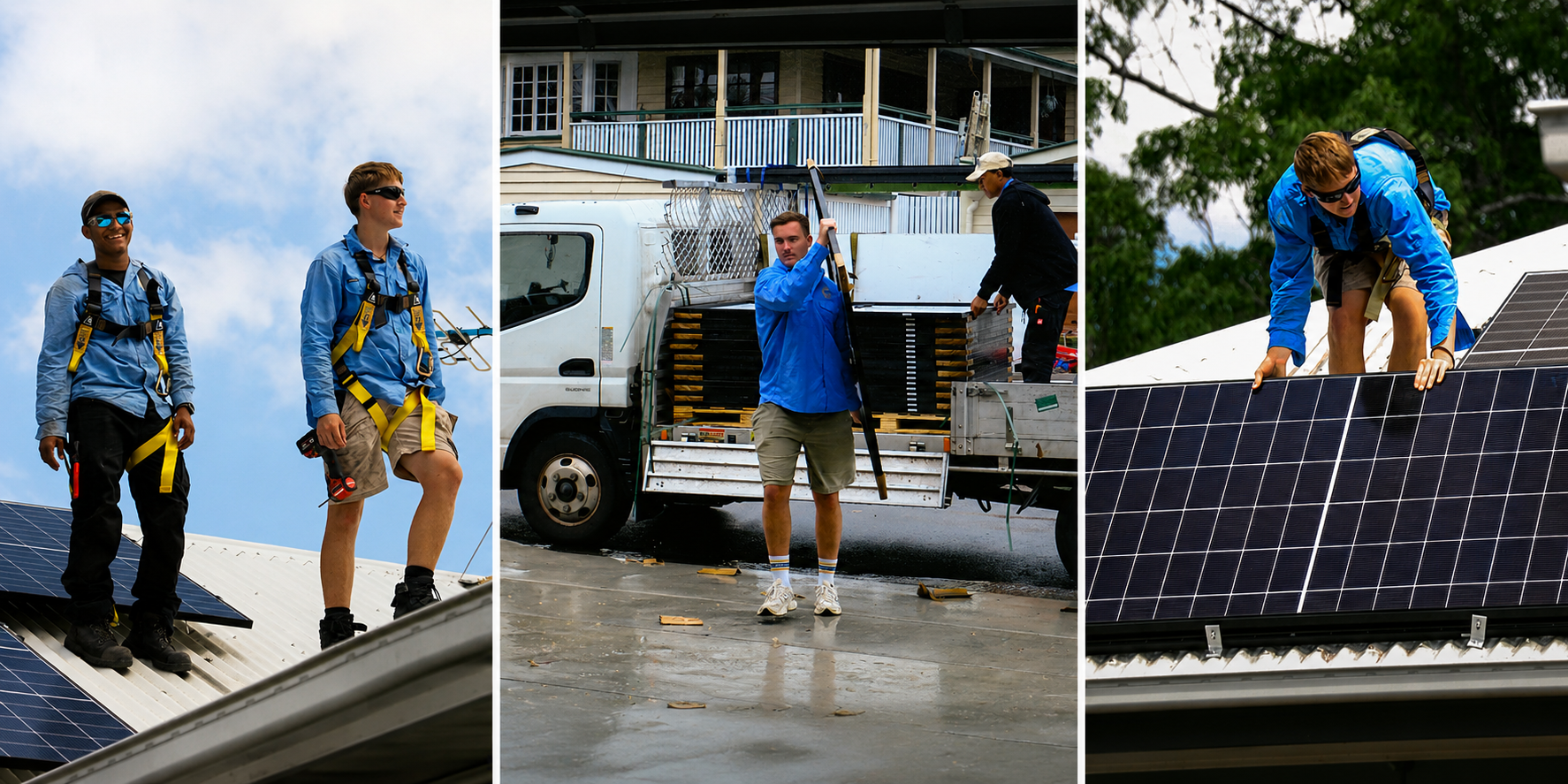
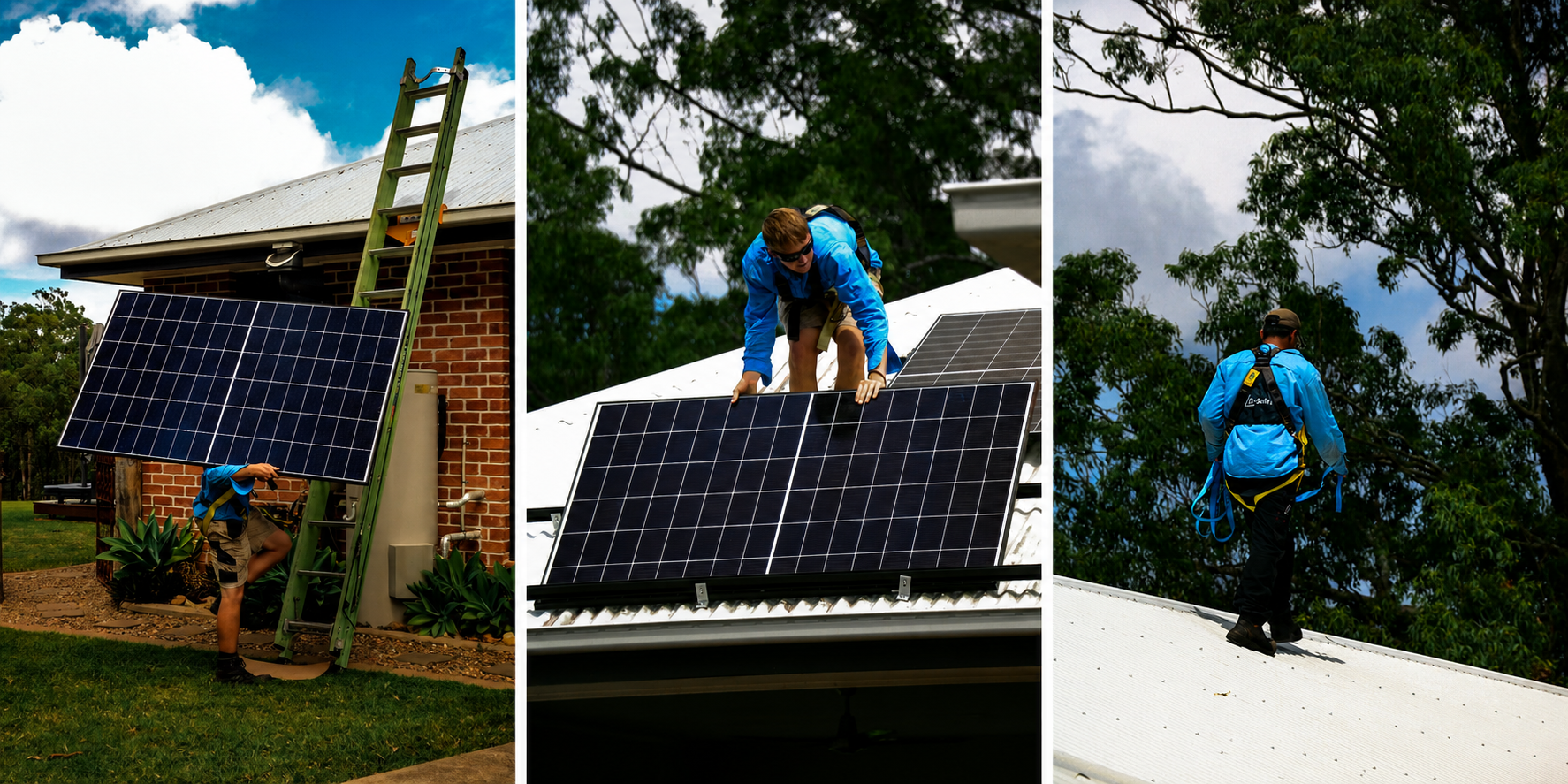
Will solar work on my roof?
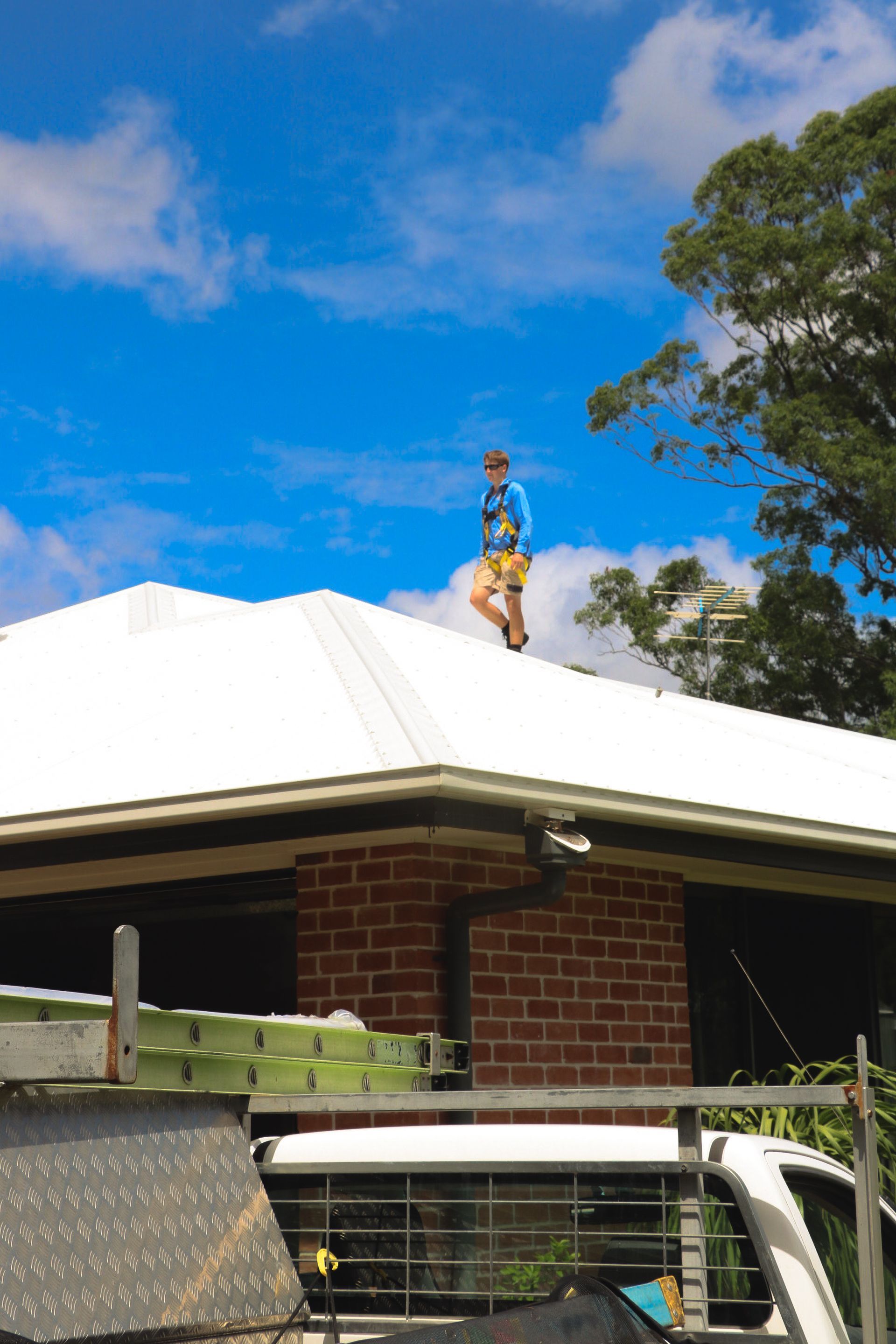
Most homes in Queensland are suitable for solar installation. Solar panels can be installed on tile, metal, or Colorbond roofs, which are very common across Brisbane and Southeast Queensland.
The main factors installers assess include:
• Available roof space
• Shade from trees or nearby buildings
• Roof condition
• Roof pitch and structure
Even if your roof isn’t perfect, our installers can often design a system that works around obstacles.
Does roof direction matter?
Roof direction can affect how much energy your system generates, but it’s rarely a deal breaker.
In Australia:
• North-facing roofs generally produce the most energy throughout the day.
• East-facing roofs generate strong morning production.
• West-facing roofs produce more power in the afternoon.
Many modern solar systems in Queensland are installed across multiple roof directions to maximise production throughout the day.
Even homes without a north-facing roof can still achieve excellent solar performance.
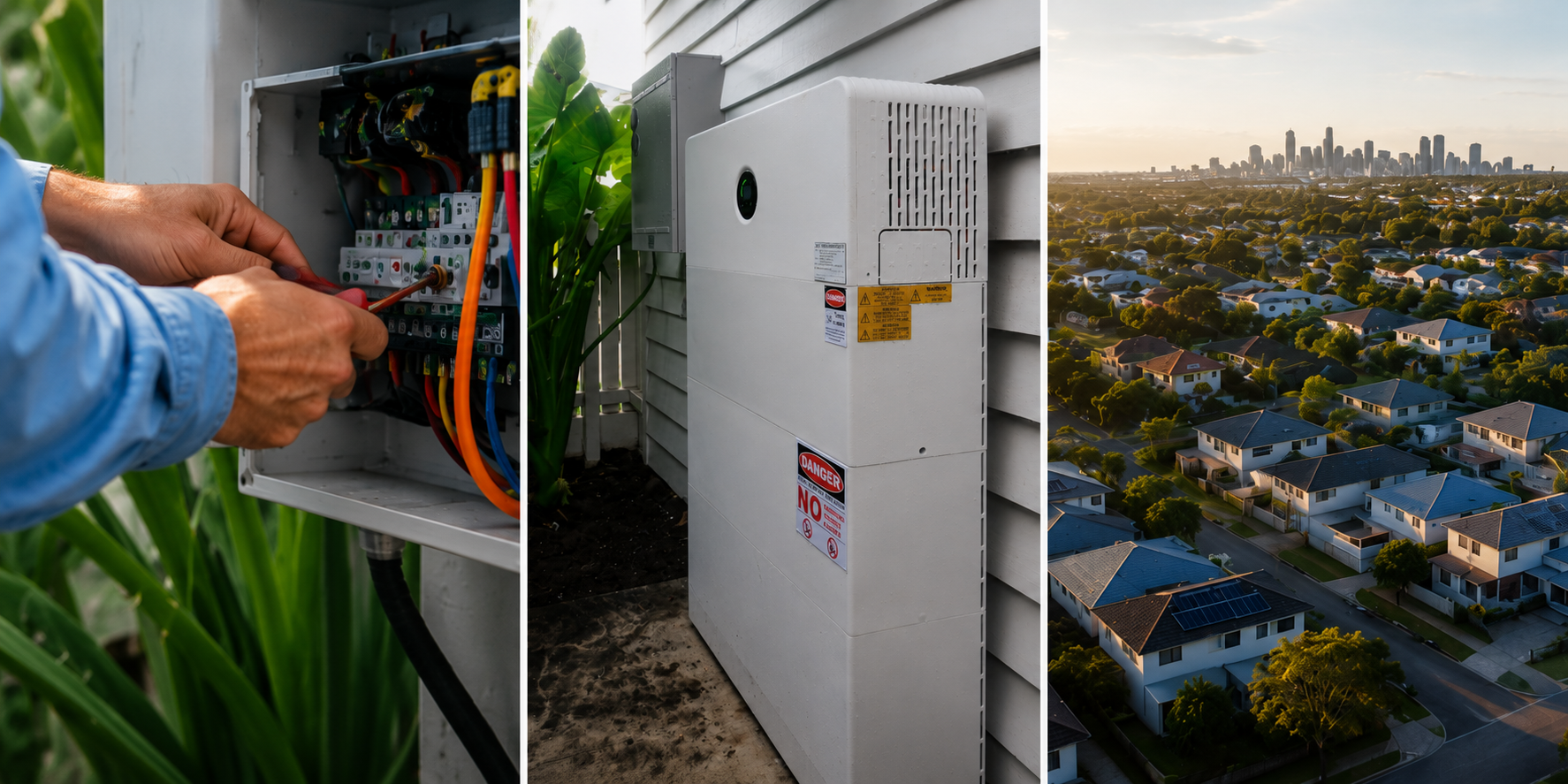
Do I need to upgrade my switchboard?
In some cases, yes.
Older homes may need a switchboard upgrade to safely connect a solar system. This is typically required if:
• Your switchboard has outdated ceramic fuses
• There isn’t enough space for new safety switches
• The electrical wiring doesn’t meet current standards
If an upgrade is needed, your installer will usually identify this during the site inspection before installation begins.
Will installing solar damage my roof?
A professional solar installation should not damage your roof.
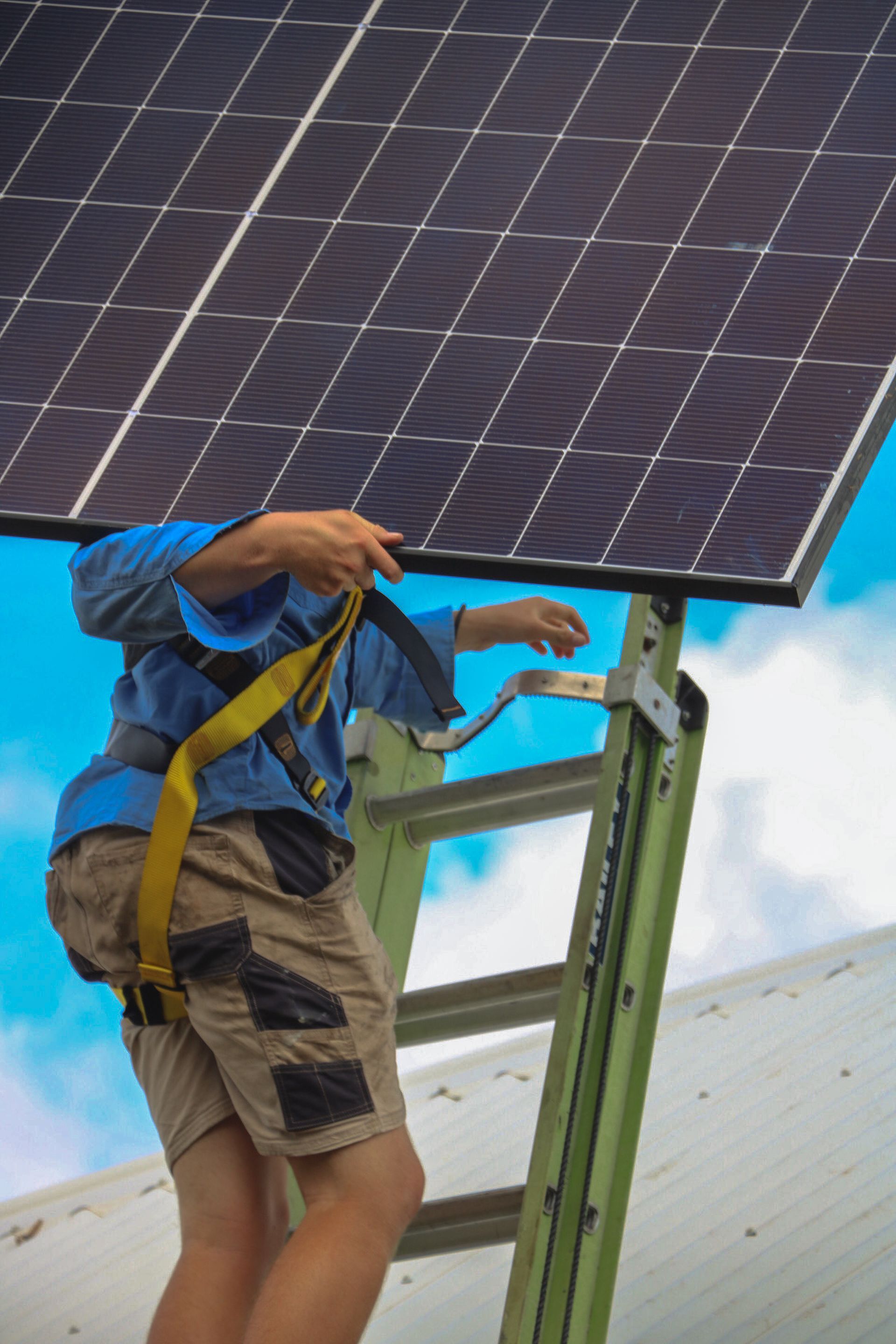
Experienced installers use specialised mounting systems designed for Australian roofs. These brackets are sealed properly to prevent leaks and are designed to handle harsh weather conditions.
In fact, solar panels can sometimes protect the section of roof underneath them from direct sun and weather exposure.
Choosing an experienced installer is the key factor in ensuring the installation is done safely and correctly.
How long does solar installation take?
Most residential solar installations in Queensland take one day to complete.
The timeline usually looks like this:
- Consultation & system design
- Proposal confirmation & site inspection
- Installation day
- Final inspection and system activation
Depending on approvals and scheduling, the full process from quote to installation may take 1–3 weeks.
Final Thoughts:
Solar installation is quicker and easier than many homeowners expect. Most roofs in Queensland are suitable, and experienced installers can design systems that maximise performance while protecting your home.
If you're considering solar, the best first step is a free professional assessment to see what system works best for your roof and energy usage. Click
here to chat with our specialists.